In heavy transport, tyre safety is often treated as routine maintenance — something that gets handled in the workshop when there’s time.
But for professional truck drivers and fleet operators, tyre safety isn’t maintenance. It’s risk management.
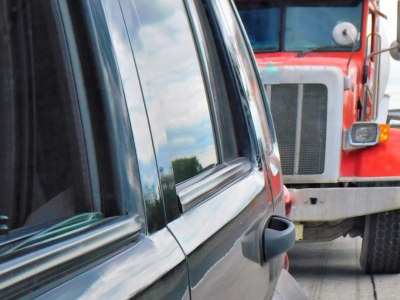
Every heavy vehicle on the road depends on four contact patches roughly the size of a hand. That’s all that connects tens of thousands of kilograms of moving machinery to the road surface. When a tyre fails, the consequences are immediate and serious:
-
Stability is compromised
-
Braking distance increases
-
Rollover risk rises
-
Lives are put at risk
Tyre care is not optional. It is a professional discipline.
Inflation Management: The Most Preventable Risk
Incorrect tyre pressure is one of the most common — and most preventable — causes of tire failure.
Under-inflated tyres lead to:
- Excessive heat buildup
- Increased blowout risk
- Higher fuel consumption
- Accelerated wear
Over-inflated tyres
- Reduced road grip
- Poor braking performance
- Uneven tread wear
- Reduced traction on wet surfaces
Professional standards should include:
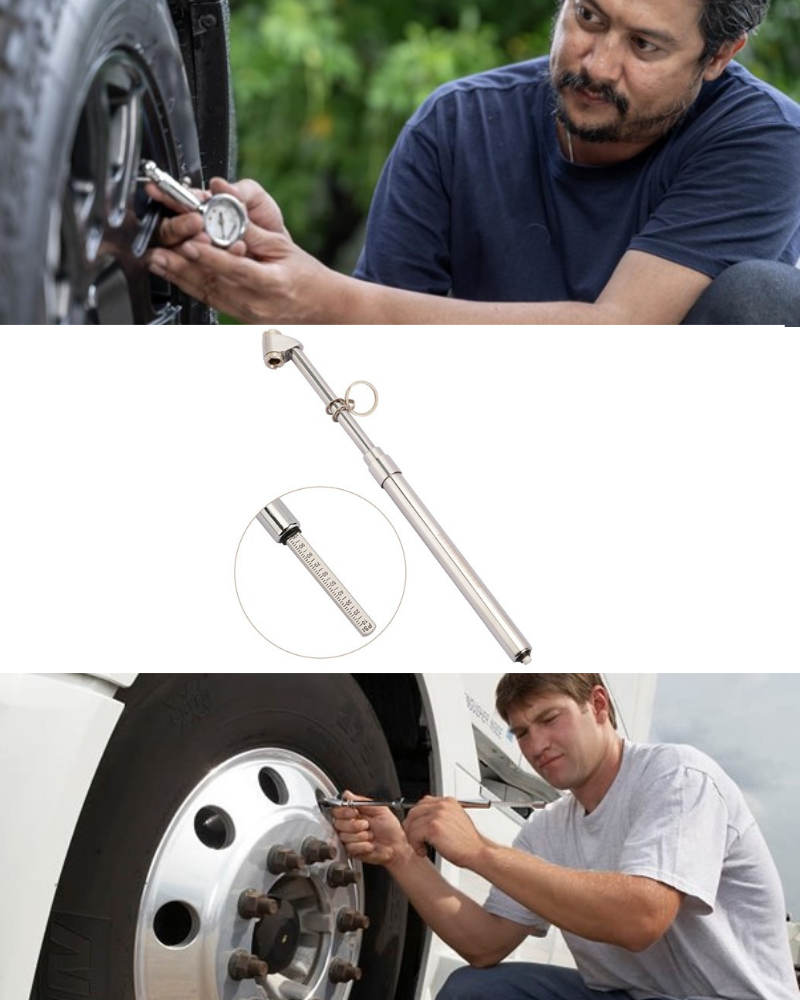
- Daily cold pressure checks
- Use of calibrated gauges
- Pressure adjustments according to load
Inflation is not guesswork. It is measurable, manageable, and directly tied to safety and operating cost.
Tread Depth: Control on the Line
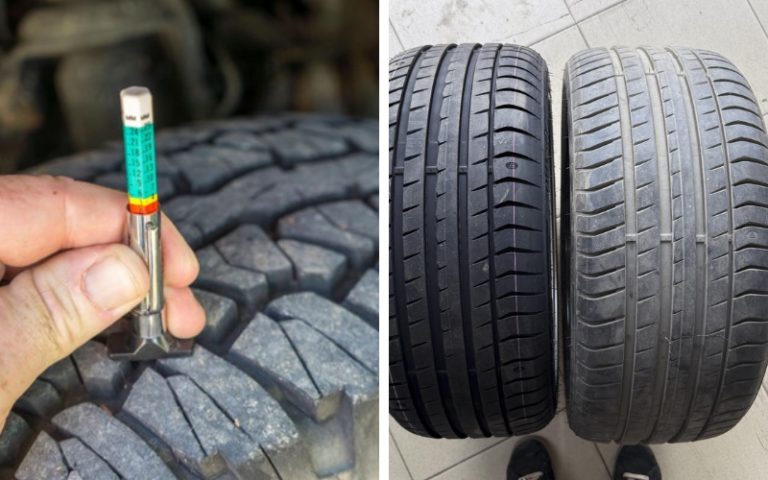
Tread depth directly affects vehicle control. It is not just about passing a roadside inspection.
Tread condition influences:
- Wet-road braking performance
- Steering responsiveness
- Trailer stability
- Resistance to hydroplaning
Legal minimum tread depth does not equal optimal safety. Waiting until tires are “just legal” means performance has already declined.
Professional operators replace tires before control is compromised — not after.
Structural Inspection: Preventing Roadside Emergencies
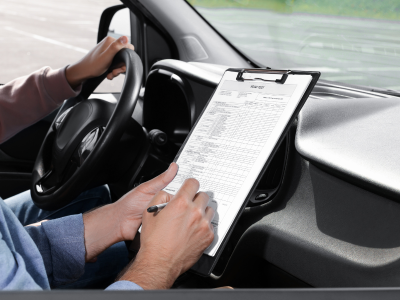
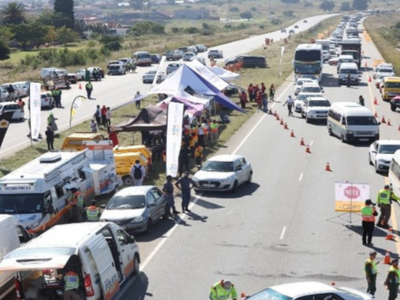
Pre-trip inspections are a frontline defense against catastrophic failure.
Drivers and fleet teams should look for:
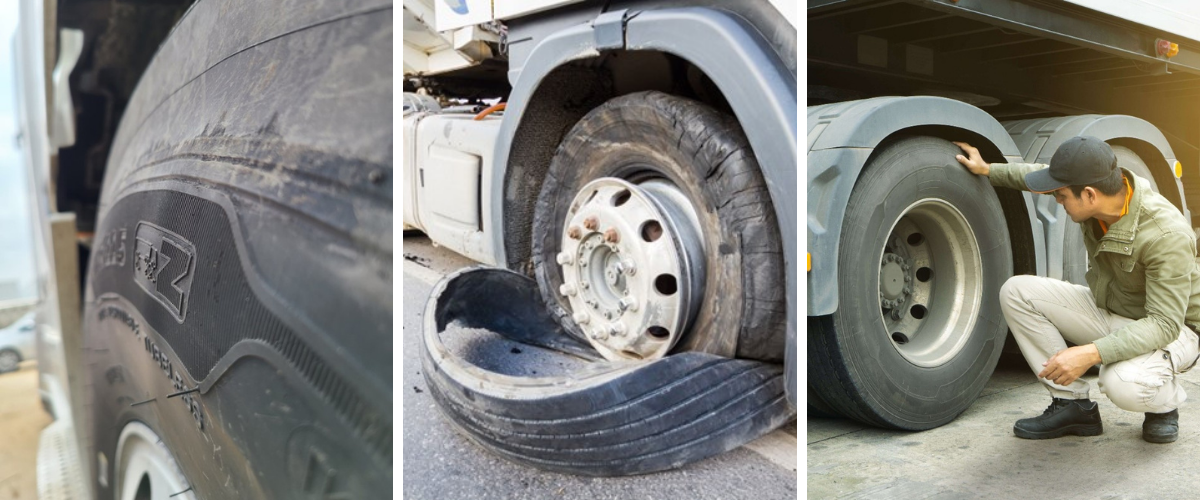
- Sidewall cracks
- Bulges
- Embedded debris
- Loose wheel nuts
- Uneven wear patterns
Small defects become large failures under load and heat. Inspection discipline prevents roadside breakdowns, cargo delays, and high-risk incidents.
Load and Heat: The Silent Destroyers
Overloading is more than a regulatory issue — it is a mechanical stress multiplier.
Excess weight creates:
- Elevated internal tyre temperatures
- Sidewall stress
- Rapid tread wear
- Increased blowout risk
Heat is the silent destroyer of tyres. It weakens internal structures long before visible damage appears.
Load discipline equals stability. Stability equals safety.
Blowout Response: Training Determines Outcome
Even with best practices, failures can happen. The difference between recovery and disaster is often driver response.
If a front tyre blows:
- Hold the steering wheel firmly
- Avoid hard braking
- Ease off the accelerator gradually
If a rear tyre blows:
- Maintain direction
- Avoid sudden steering corrections
- Slow down gradually and safely
Panic causes loss of control. Training creates controlled response.
Leadership Responsibility: Safety Is a Culture Issue
Fleet safety is not solely a workshop responsibility. It is a leadership responsibility.
Professional fleets:
- Enforce strict inspection discipline
- Monitor tyre wear trends
- Provide emergency response training
- Audit load compliance regularly
Tyre safety affects more than compliance. It impacts:
- Insurance costs
- Vehicle uptime
- Operational reliability
- Company reputation
When tyres fail, the brand pays — not just the workshop.

Professional Drivers Prevent Failure
Professional drivers do not wait for something to go wrong.
They understand that tire safety is proactive, not reactive.
They inspect.
They monitor.
They adjust.
Because in heavy transport, tire safety is not maintenance.
It is risk management.