
Winter driving in South Africa presents unique road safety challenges for professional drivers. While many people associate dangerous winter driving with overseas snowstorms, South African winters create their own risks through reduced visibility, wet roads, frost, ice, early darkness, and driver fatigue.
For companies operating fleets, logistics vehicles, and transport services, winter is a period where road risk increases significantly.
Reduced Visibility Increases Reaction Risk
One of the biggest winter driving hazards is poor visibility.
During colder months, drivers frequently encounter:
- Early morning fog
- Heavy rain
- Mist in mountainous of coastal regions
- Reduced daylight hours
- Glare from wet roads and low winter sun
These conditions reduce the time drivers have to identify and respond to hazards.
For heavy vehicles, this becomes especially dangerous because trucks require longer stopping distances and slower emergency reactions.

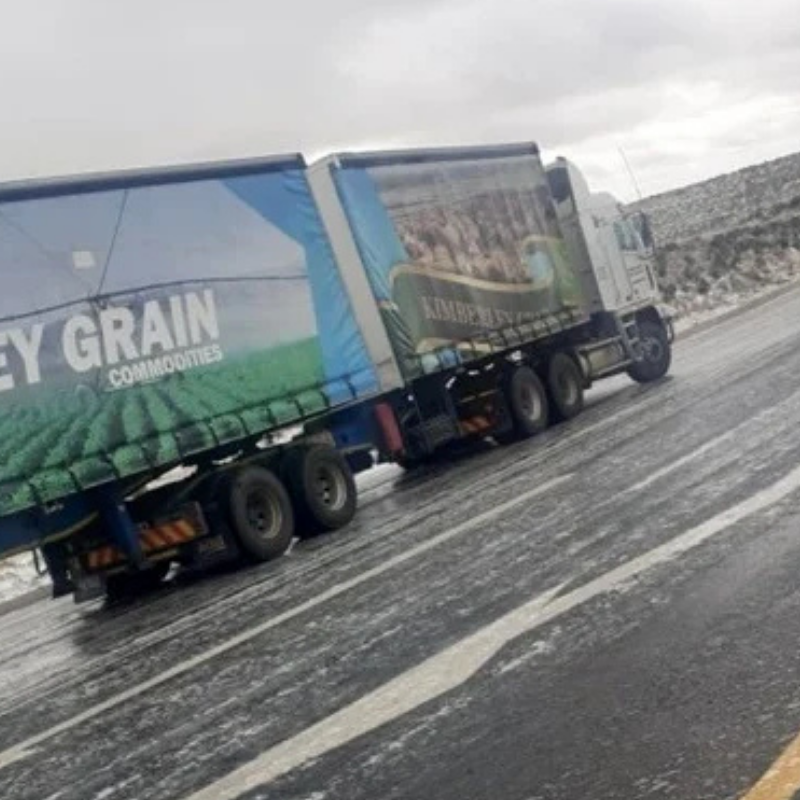
Frost and Black Ice Create Hidden Dangers
In provinces such as Gauteng, winter frost and ice on roads—particularly in the early morning—can make driving extremely dangerous.
According to road safety organisations such as Arrive Alive and the N3 Toll Concession, frost can lead to hidden black ice forming on:
- Bridges
- Overpasses
- Shaded road sections
- Mountain passes
Black ice is especially hazardous because it is often invisible to drivers. Road surfaces may appear normal while offering very little tyre grip.
This can lead to:
- Sudden skidden
- Loss of steering control
- Jack-knifing of heavy vehicles
- Significantly increased stopping distances
For professional drivers operating trucks and fleet vehicles, reducing speed and increasing following distance during cold early-morning conditions is critical.
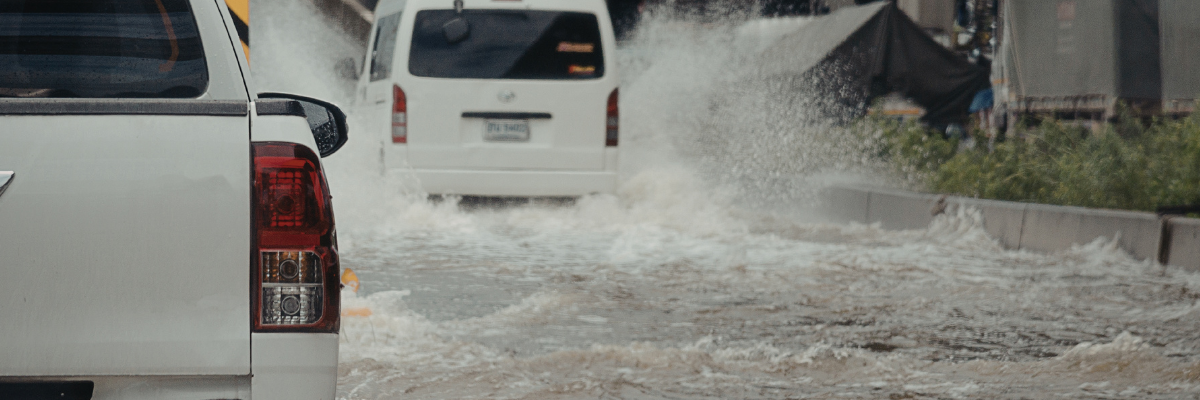
Wet Roads Reduce Vehicle Control
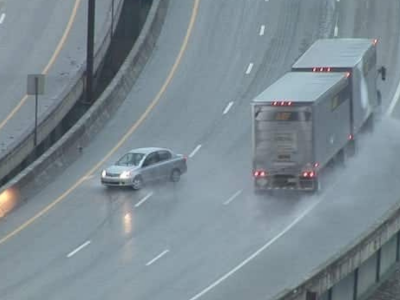
Winter rainfall across many parts of South Africa also creates slippery road surfaces that reduce tyre traction.
This affects:
- Braking performance
- Steering response
- Vehicle stability
- Emergency manoeuvring ability
Drivers who fail to adjust speed and following distance during wet conditions dramatically increase their risk of collision.
For heavy vehicles, loss of traction can escalate rapidly into serious accidents.
Following Distance Becomes Even More Important
One of the most common winter driving mistakes is maintaining normal following distance in dangerous conditions.
Safe stopping distance must increase during:
- Rain, Fog, Frost & icy conditions, Low visibility, Night driving.
A commonly accepted minimum safety guideline is the 4-second following rule. However, during winter weather, this gap should often be increased further to allow adequate reaction and braking time.
For professional drivers, space management is one of the most important defensive driving skills during winter.
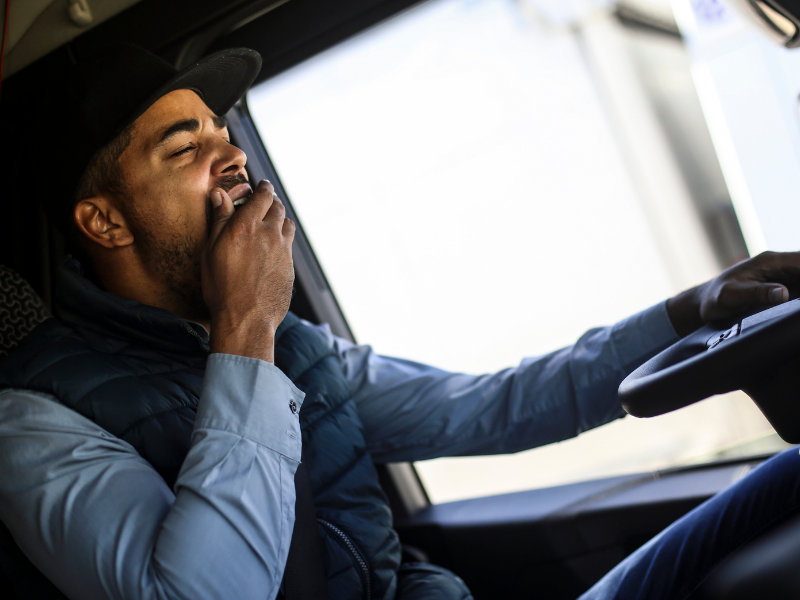
Driver Fatigue Increases During Winter
Winter conditions can also increase fatigue levels among professional drivers.
Long hours in poor weather, reduced visibility, and higher concentration demands place additional mental strain on drivers.
Fatigue reduces:
- Awareness
- Reaction time
- Decision-making ability
- Hazard perception
For companies operating long-distance or shift-based transport services, fatigue management becomes an essential part of winter road safety.
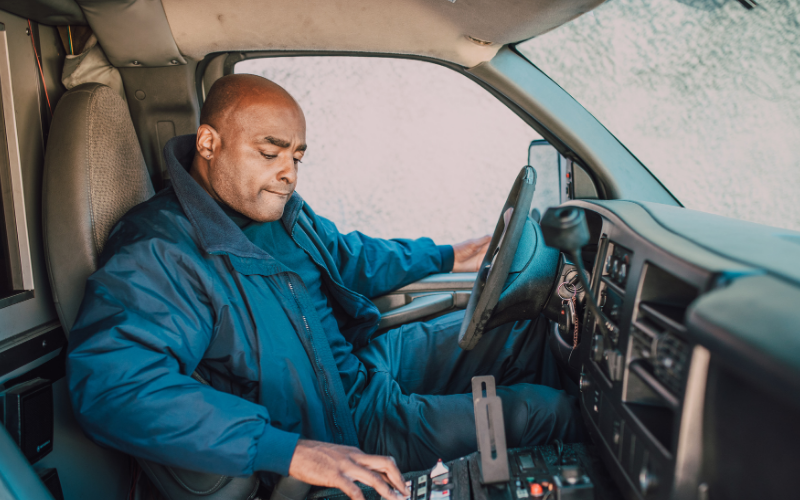
Winter Driving Requires a Different Mindset
Many winter-related accidents happen because drivers continue driving as though conditions are normal.
Professional drivers need to adapt by:
- Reducing speed appropriately
- Increasing following distance
- Scanning further ahead for hazards
- Avoiding sudden braking or steering movements
- Remaining patient in congested traffic
Winter driving is not about fear—it is about awareness, planning, and control.
Final Thought
South African winters create challenging road conditions that demand greater discipline and awareness from professional drivers. Reduced visibility, wet roads, frost, black ice, and fatigue all contribute to increased accident risk during colder months.
For fleet operators and transport companies, winter road safety is not seasonal advice—it is a critical operational responsibility.
Because when road conditions become unpredictable, defensive driving skills become more important than ever.
Contact Advanced Driving 4 Africa on 083 578 7184 today to improve driver safety and reduce accidents.
Protect your workforce. Protect your business.