
Vehicle hijackings remain one of the most serious risks facing professional drivers in South Africa. From logistics and fleet operations to executive transport and delivery services, drivers are increasingly exposed to unpredictable and high-risk situations on the road.
For companies operating fleet vehicles, hijacking is no longer viewed as a rare incident—it is a real operational and personal safety threat that requires proactive preparation.
This is why professional hijack prevention training has become an essential part of modern driver safety programmes.
The Danger of the “It Won’t Happen to Me” Mindset
One of the greatest risks to personal safety is complacency.
Many drivers assume hijackings only happen in specific areas or to certain types of vehicles. In reality, criminals often target opportunities created by distraction, routine behaviour, poor awareness, or predictable driving patterns.
Professional drivers spend extended hours on the road, often:
- Following regular routes
- Stopping at predicatable locations
- Operating under time pressure
- Driving in unfamiliar or high-risk environments
Without proper awareness training, these factors can increase vulnerability significantly.
Hijack prevention starts with changing mindset—from reactive thinking to proactive awareness.

Why Situational Awareness Matters
Situational awareness is one of the most important defensive driving skills a professional driver can develop.
Hijack prevention training teaches drivers how to:
- Recognise suspicious behaviour early
- Identify potential threats before they escalate
- Remain alert in high-risk areas
- Avoid distraction while driving or stopping
- Observe surrounding vehicles and people effectively
The earlier a potential threat is identified, the greater the opportunity to avoid danger altogether.
In many cases, prevention is achieved not through physical action, but through awareness, planning, and decision-making.
Prevention Is Always the Primary Goal
Effective hijack prevention training focuses first on reducing the likelihood of becoming a target.
Drivers are trained to:
- Avoid predictable habits and routines
- Maintain safe stopping distances in traffic
- Position vehicles strategically at intersections and stop streets
- Identify escape routes where possible
- Stay aware during high-risk times such as early mornings and evenings
Professional drivers who understand these principles are better equipped to avoid situations that may place them at risk.
Knowing How to React Under Pressure
While prevention is the priority, drivers must also understand how to respond appropriately if confronted by a hijacking situation.
Under extreme stress, panic and poor decision-making can increase danger.
Hijack prevention training helps drivers:
- Understand common hijacking tactics
- Manage stress responses during high-pressure situations
- Make safer decisions under threat
- Prioritise personal safety over property
- React calmly and effectively when faced with danger

Why Businesses Should Prioritise Hijack Prevention Training
For companies operating fleets or professional transport services, hijacking incidents carry serious consequences:
- Trauma and injury to employees
- Loss of vehicles and cargo
- Operational disruption and downtime
- Increased insurance costs
- Reputational damage
- Legal and duty-of-care concerns
Investing in hijack prevention training demonstrates a commitment to driver wellbeing while strengthening overall fleet risk management.
Building Safer, More Aware Drivers
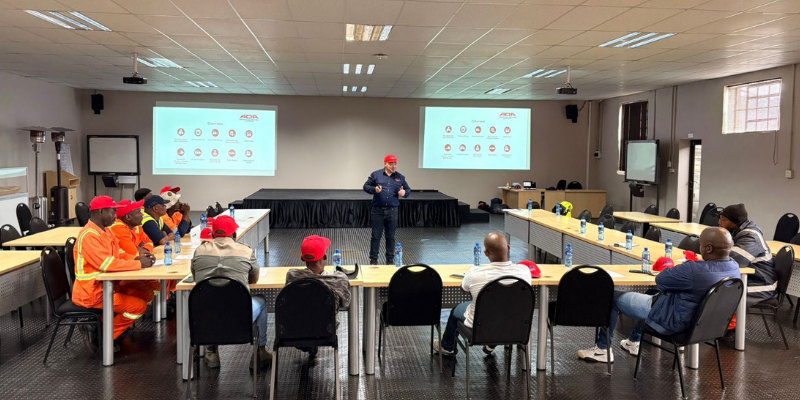
Professional driving today requires more than technical vehicle skills. Drivers must be trained to recognise risk, manage pressure, and remain aware in constantly changing environments.
Hijack prevention training equips drivers with practical strategies that improve:
- Awareness
- Preparedness
- Confidence
- Decision-making
- Personal safety
Most importantly, it reinforces the understanding that safety is never based on luck or assumptions—it is built through awareness and proactive behaviour.
Final Thought
In South Africa’s challenging road environment, hijack prevention training is no longer optional for professional drivers—it is a critical part of modern fleet safety.
Drivers who remain alert, prepared, and aware are far better positioned to reduce risk and protect themselves in potentially dangerous situations.
Because when it comes to hijacking prevention, awareness is often the difference between vulnerability and safety.
Investing in advanced driver training and hi-jack prevention today is far less expensive than managing the consequences of preventable loss tomorrow.
Book your advanced driving training today, phone 082 366 4064 or click the button below to send a message:
Protect your workforce. Protect your business.