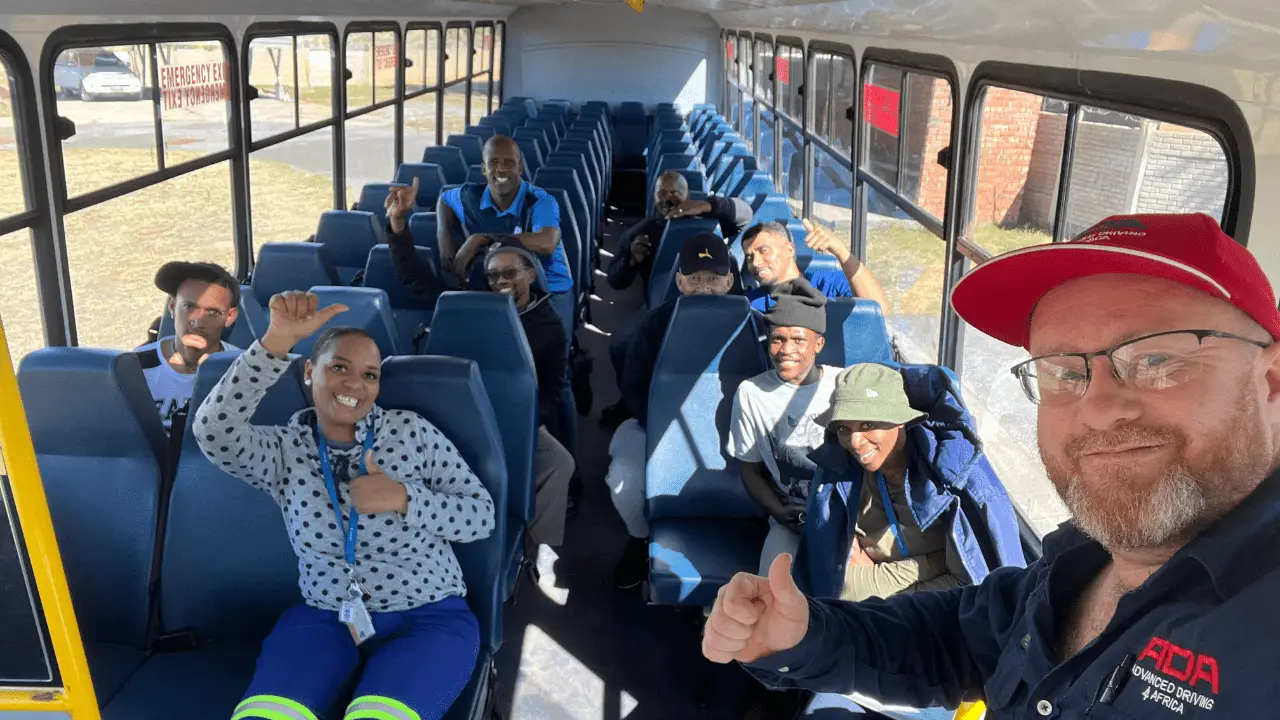
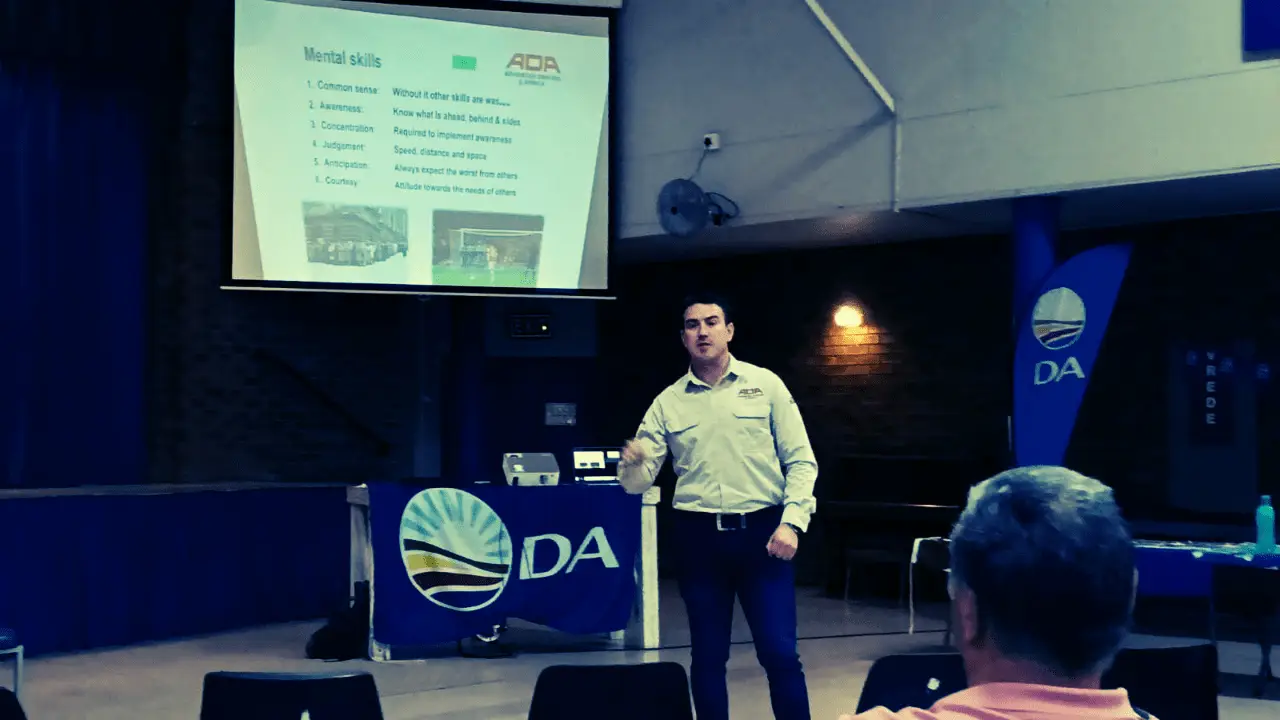
October has been a month of momentum, clarity, and connection at Advanced Driving 4 Africa. From impactful corporate trainings to the growing voice of our #AwarenessSavesLives campaign, we’ve seen our message reach more drivers than ever before.
This month, we’re proud to take that message beyond the boardroom and into our communities.
On Friday 17th, our team will host free theory-based Defensive Driving classes – open to the public – aimed at creating awareness and empowering everyday drivers with life-saving knowledge.
At ADA, giving back isn’t a once-off event – it’s who we are. Every driver we reach represents another step toward safer roads, more mindful choices, and stronger communities across South Africa.
Awareness saves lives – and it begins with you.
October Driving Tips for South Africa’s Weather
October in many parts of South Africa brings transitional weather – occasional showers, stronger winds in some regions, mist in early mornings, and changing road conditions. Here are useful safety tips to drive with awareness this season:
- Slow down in wet conditions
Rain, mist, or damp roads reduce traction and visibility. Reduce your speed well below posted limits when roads are wet, and avoid sudden braking or sharp steering. - Increase following distance
In moist or slippery conditions, leave extra space between your vehicle and the one ahead. That gives you more time to react to sudden stops or hazards. - Turn on headlights early
Use your lights when visibility is reduced, even in light rain or mist, so other road users see you clearly. - Maintain good tyres, brakes & windshield equipment
- Ensure your tyres have enough tread and are properly inflated.
- Check that brake performance is solid.
- Inspect wiper blades and washers, and ensure demisters/defrosters are working.
- In early morning mist or fog, be cautious of residual moisture or slick patches.
- Be cautious in strong wind
Some regions (coastal or elevated areas) may experience gusty winds. Keep both hands on the steering wheel, reduce speed, and be alert especially when passing open fields or large vehicles. - Avoid driving through deep water or pooled puddles
Water may hide potholes or cause hydroplaning. If you must pass through a shallow section, go slow, in low gear, and test your brakes gently afterward. - Anticipate changing light and visibility
Early mornings and late afternoons may bring glare, mist or shifting light. Adjust your speed accordingly and use sun visors, sunglasses, or clean windshields to help. - Stay alert, avoid distractions
In mixed weather, you must give driving full attention. Avoid multitasking (radio, phone, navigation) while moving — especially in challenging road conditions.