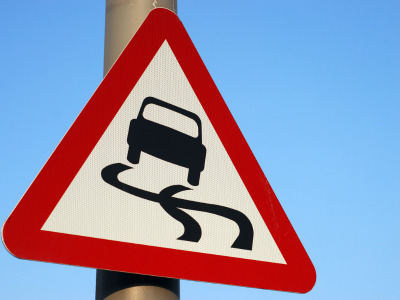

When a vehicle loses traction, everything changes in an instant. For professional drivers, those first few seconds are critical. In fact, most loss-of-control accidents are not caused by the skid itself—but by what the driver does in the first 3 seconds after it begins.
On South African roads, where wet weather, gravel surfaces, sudden traffic changes, and unpredictable driving behaviour are common, skid control is not a theoretical skill. It is a real-world survival capability.
The Critical 3-Second Window
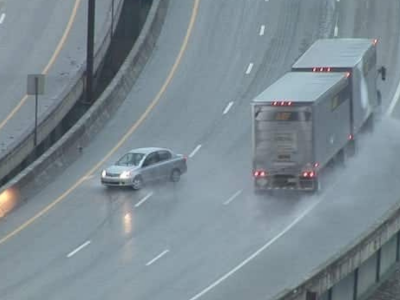
A skid typically develops faster than most drivers expect. Whether caused by wet roads, sudden braking, sharp steering input, or loss of traction, the vehicle begins to behave differently almost immediately.
In those first moments, three things usually happen:
1. The driver recognises something is wrong
This is the moment of awareness—but it is often delayed. Many drivers initially misinterpret the situation as:
- Normal braking delay
- Slight road vibration
- Minor steering resistance
By the time they realise it is a skid, control is already compromised.
2. Panic response takes over
This is where most accidents escalate.
Common instinctive reactions include:
- Slamming harder on the brakes
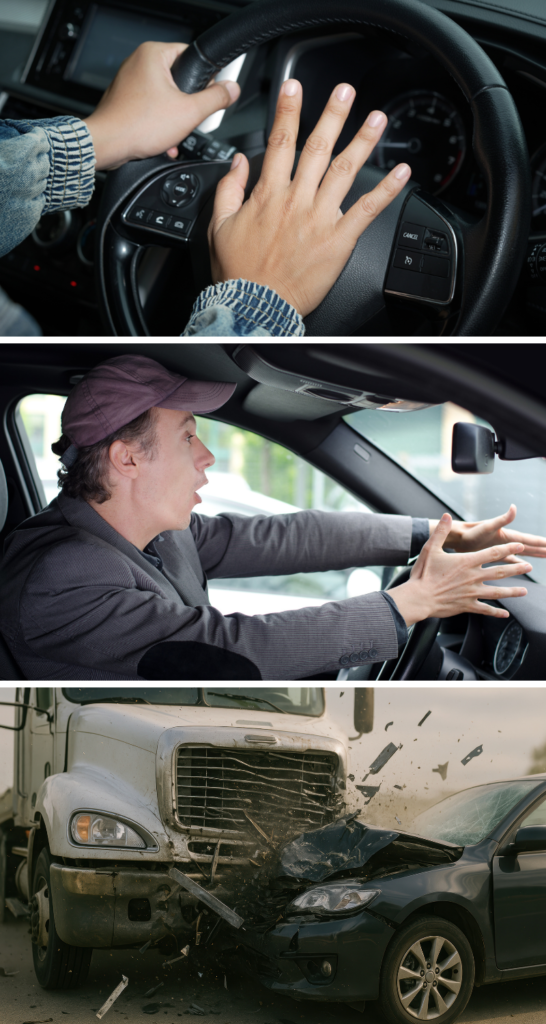
- Jerking the steering wheel
- Lifting hands off control momentarily
- Overcorrecting the direction of travel
Unfortunately, these reactions often make the skid worse, not better.
A vehicle in a skid does not respond to panic—it responds to physics.
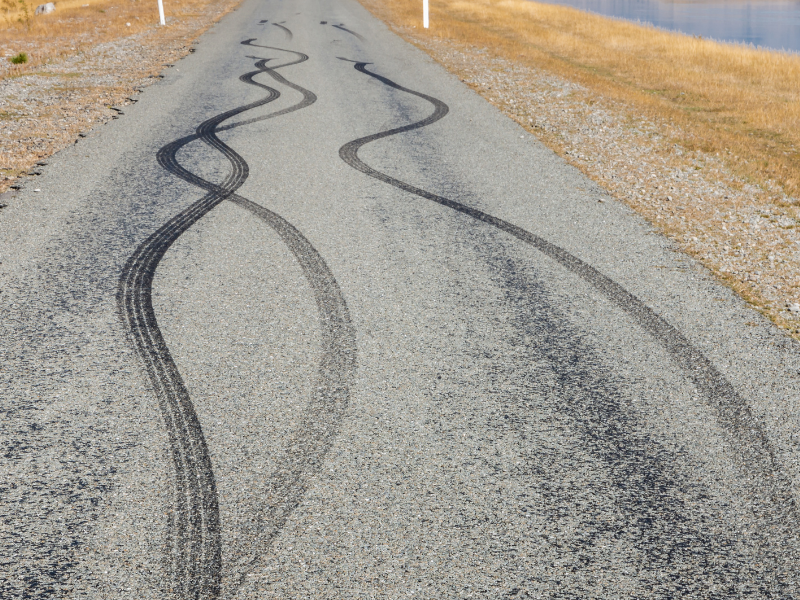
3. The vehicle’s direction becomes unstable
At this point, traction has been significantly reduced. The vehicle may:
- Understeer (continue straight despite steering input)
- Oversteer (rear end sliding out)
- Lose braking effectiveness
- Drift into another lane or off the road
From here, recovery depends entirely on driver input—and timing.
Why Most Drivers Fail in a Skid Situation
The biggest challenge is not lack of knowledge—it is lack of trained instinct under pressure.
Most drivers have never experienced a controlled skid. That means when it happens in real life:
- The situation feels unfamiliar
- Stress levels spike instantly
- Decision-making becomes reactive instead of controlled
Even experienced drivers can lose control if they have not trained their response.
This is especially relevant for fleet and professional drivers who spend long hours on the road but rarely encounter structured emergency training.
What Correct Skid Response Actually Requires
Effective skid recovery is not about strength or speed—it is about calm, precise input.
Depending on the situation, drivers may need to:
- Reduce braking pressure smoothly (not abruptly)
- Steer in the correct direction of vehicle movement
- Avoid overcorrection
- Allow the vehicle to regain traction naturally
The challenge is that all of this must happen in seconds, under stress, without hesitation.
That is why repetition and real-world experience are essential.
Why Controlled Skid Training Is Essential
This is where structured skid control training becomes critical.
Through specialised skidpan environments, drivers are exposed to controlled loss-of-control scenarios where they can safely:
- Experience skidding without real danger
- Understand how their vehicle behaves
- Practice correct recovery techniques
- Build muscle memory for emergency responses
- Learn how ABS and braking systems actually feel under stress
This type of training bridges the gap between theory and instinct.

The Value of Using the Driver’s Own Vehicle
A key advantage of professional skid control programmes is training in the driver’s own vehicle.
This is important because every vehicle behaves differently:
- Front-wheel drive vs rear-wheel drive dynamics
- Load weight changes braking response
- Tyre condition affects grip levels
- Fleet vehicles vary in size, suspension, and braking systems
When drivers train in their own vehicles, they gain realistic understanding of how that specific vehicle reacts under stress. This significantly improves decision-making in real-world situations.
Why the First 3 Seconds Matter Most
Accident investigations consistently show that once a skid progresses beyond the initial phase, recovery becomes increasingly difficult.
In most cases:
- The vehicle either regains control quickly, or
- The situation escalates into a collision
There is very little middle ground.
This is why the first 3 seconds matter more than anything else. It is the window where correct training can prevent a crash—and incorrect reaction can cause one.
Final Thought
Skids do not give drivers time to think—they demand trained response.
For professional drivers in South Africa, where road conditions can change without warning, skid control is not an advanced luxury. It is a fundamental safety skill.
Because in those first 3 seconds, instinct takes over—and training is what decides whether that instinct saves the journey or ends it.
For professional drivers, keeping space is not about slowing down—it is about maintaining control, awareness, and safety under pressure.
Because in heavy vehicle operation, the space you maintain is often the time that prevents a collision.
Contact Advanced Driving 4 Africa on 083 578 7184 today to improve driver safety and reduce accidents.
Protect your workforce. Protect your business.