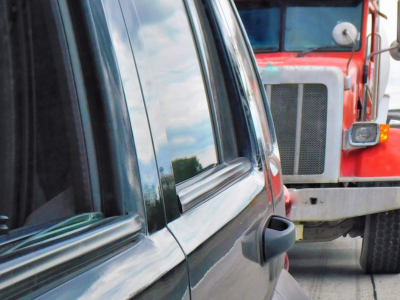

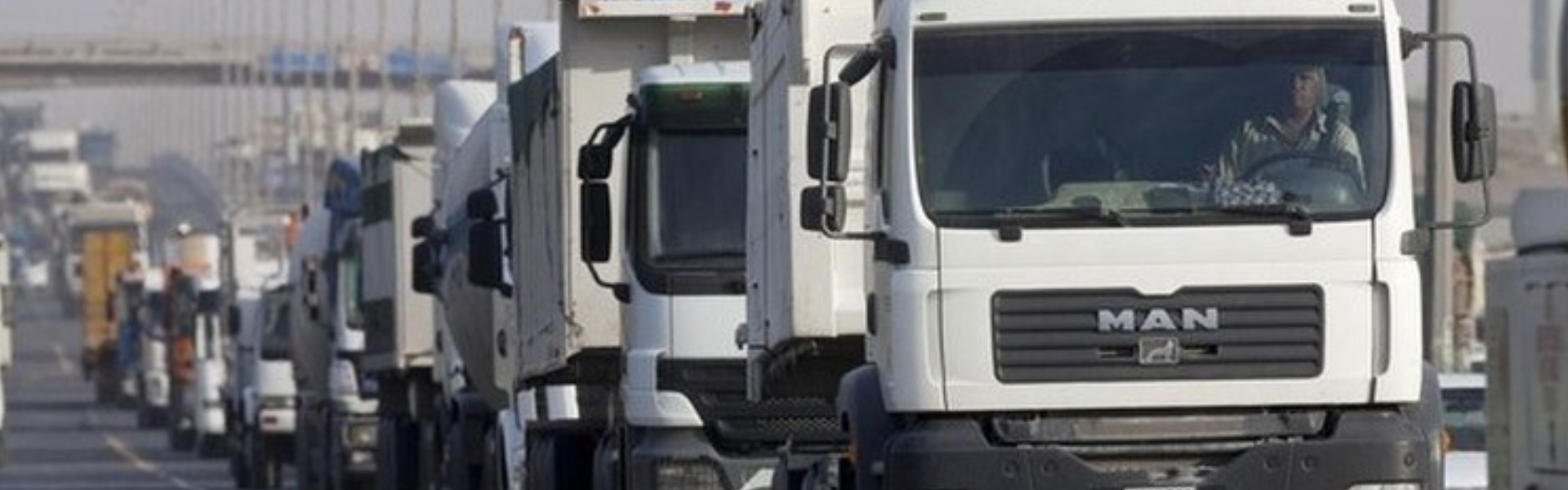
One of the most common and dangerous driving behaviours on South African roads is poor following distance, particularly among truck and heavy vehicle drivers. Whether on national highways, regional routes, or busy urban roads in towns and cities, tailgating by trucks is a widespread issue—and a serious safety risk.
While professional drivers are trained to operate heavy vehicles safely, real-world pressures often lead to habits that reduce safe stopping distance.
Why Following Distance Matters More for Trucks
Following distance is the space between your vehicle and the one in front of you. For trucks, this is not a minor detail—it is a critical safety requirement.
A fully loaded truck:
- Takes significantly longer to stop than a light vehicle
- Carries far greater momentum and mass
- Requires extended braking distance
- Is harder to control in emergency situations
In practical terms, if a truck is following too closely, there may be no safe way to avoid a collision if the vehicle ahead brakes suddenly.

Why This Happens So Often in South Africa
Several real-world factors contribute to poor following distance among truck drivers:
- Time Pressure and Delivery Deadlines
Logistics and freight operations often run on strict schedules. Drivers may unconsciously reduce gaps to maintain travel time, especially when delays occur on routes.
- High Traffic Volume and Stop-Start Conditions
On busy national roads and urban entry routes, frequent braking and congestion can lead to shortened gaps as drivers try to “keep up” with traffic flow.
- Routine Driving and Overconfidence
Experienced drivers may become desensitised to risk, relying on habit rather than actively managing safe following distance.
- Perceived Inefficiency of Larger Gaps
In heavy traffic, maintaining space can feel like wasted road position, but in reality, it is the most important buffer for preventing collisions.
The Real Danger of Tailgating Heavy Vehicles
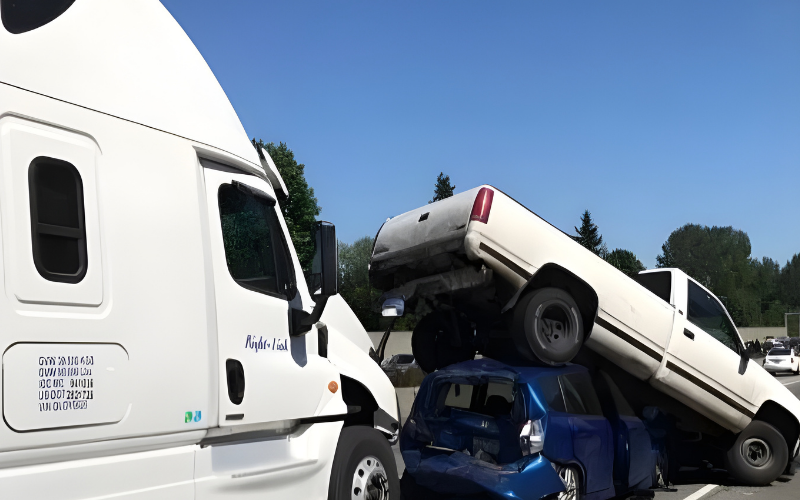
When trucks follow too closely, the consequences can escalate quickly:
- Rear-end collisions with severe impact force
- Multi-vehicle pile-ups in congested traffic
- Loss of control in sudden braking situations
- Significant damage to vehicles, cargo, and infrastructure
- Increased insurance claims and operational downtime
- Legal and liability exposure for companies and drivers
Unlike smaller vehicles, trucks cannot safely absorb or “minimise” impact in a collision. The outcome is almost always severe.
The Safe Following Distance Rule for Trucks
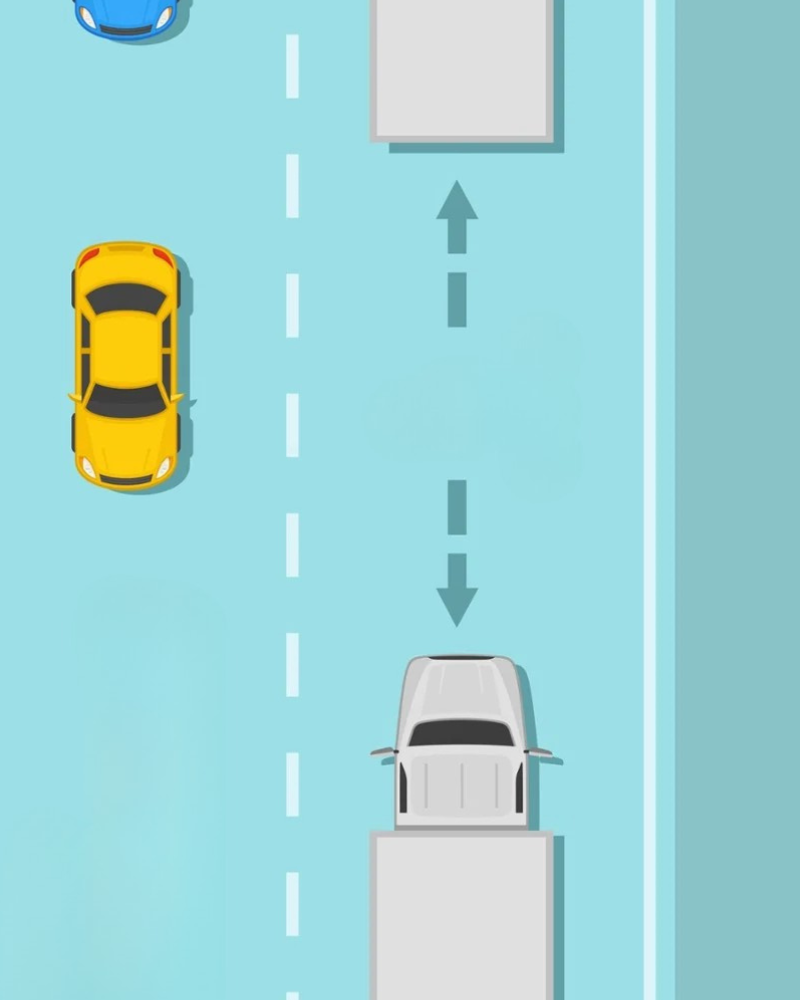
A widely accepted guideline for heavy vehicles is the 6-second rule.
t=6 seconds
This means the truck should take at least 4 seconds to reach a fixed point that the vehicle in front has just passed.
In reality, this should increase depending on conditions:
- Wet or slippery roads
- Night driving or poor visibility
- Heavy loads
- High-speed travel
In these cases, an 8-second or greater gap is far safer.
This buffer provides:
- Time to perceive hazards
- Time to react appropriately
- Space to brake safely without collision
Why This Is a Fleet Safety Issue, Not Just a Driving Habit
Poor following distance is not simply a driver behaviour issue—it is a fleet risk management concern.
For transport and logistics companies, it directly contributes to:
- Increased accident frequency
- Higher repair and maintenance costs
- Rising insurance premiums
- Delivery delays due to vehicle downtime
- Reputational damage and client dissatisfaction
Importantly, these risks are largely preventable.
What Actually Improves Following Distance Behaviour
Real change does not come from policies alone. It requires behavioural driver development, including:
- Practical, real-world defensive driving training
- Teaching anticipation and hazard awareness, not just rules
- Reinforcing space management as a core driving skill
- Coaching drivers to handle time pressure without compromising safety
- Continuous feedback and reinforcement within fleet systems
Final Thought
Across South Africa’s roads, maintaining safe following distance is one of the simplest yet most effective ways to prevent serious accidents involving heavy vehicles. Yet it is also one of the most commonly neglected habits.
For professional drivers, keeping space is not about slowing down—it is about maintaining control, awareness, and safety under pressure.
Because in heavy vehicle operation, the space you maintain is often the time that prevents a collision.
Contact Advanced Driving 4 Africa on 083 578 7184 today to improve driver safety and reduce accidents.
Protect your workforce. Protect your business.