
Practical Driving Habits That Can Save You Money at the Pump
With petrol and diesel prices continuing to place pressure on South African motorists and businesses alike, fuel efficiency has become more important than ever. Whether you’re commuting to work, managing a fleet of vehicles, or driving long distances for business, every litre saved translates directly into money saved.
While many drivers assume fuel consumption is determined solely by the vehicle they drive, the reality is that driving behaviour plays a significant role. Small changes in driving habits can reduce fuel consumption, lower vehicle wear and tear, and even improve road safety.
Here are some practical ways to reduce fuel consumption while driving.
1. Accelerate Smoothly
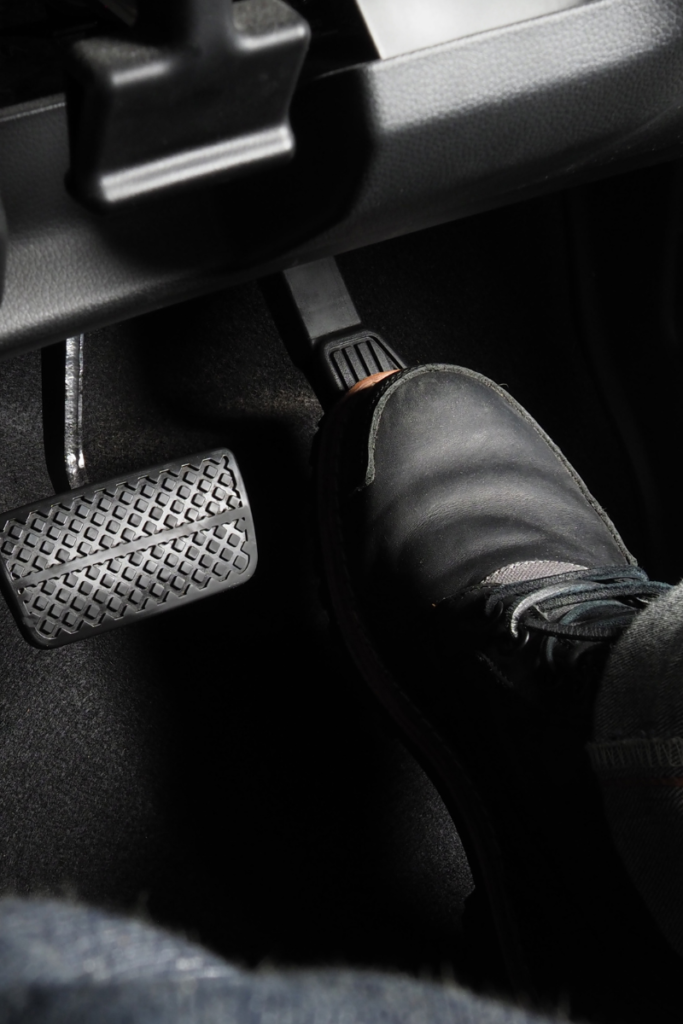
Aggressive acceleration is one of the quickest ways to increase fuel consumption. Every time you rapidly accelerate, your engine requires more fuel to generate the necessary power.
Instead, accelerate gradually and smoothly. Not only will this improve fuel economy, but it will also reduce stress on your vehicle’s drivetrain and tyres.
2. Maintain a Consistent Speed
Constantly speeding up and slowing down forces your engine to work harder and burn more fuel.
When traffic conditions allow, maintain a steady speed and anticipate traffic flow ahead. On longer journeys, using cruise control can help maintain consistent speeds and improve fuel efficiency.
3. Avoid Excessive Idling
Many drivers underestimate how much fuel is wasted while a vehicle sits stationary with the engine running.
If you expect to be stopped for more than a minute or two, consider switching off the engine where it is safe and practical to do so. Modern vehicles use surprisingly little fuel when restarting compared to prolonged idling.
4. Observe Speed Limits
Driving faster may seem like a way to save time, but it often comes at a significant fuel cost.
As speed increases, aerodynamic resistance increases dramatically. This means your engine must work harder to maintain higher speeds, resulting in greater fuel consumption. Driving within speed limits is not only safer but also more economical.

5. Keep a Safe Following Distance
Defensive driving and fuel-efficient driving often go hand in hand.
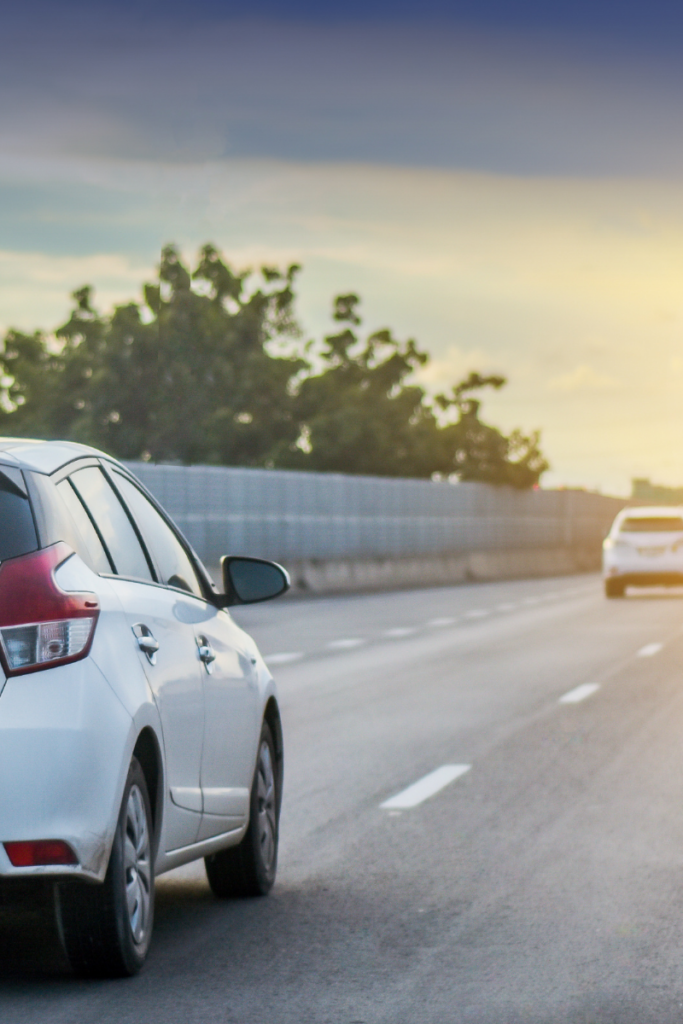
Maintaining a safe following distance allows you to anticipate traffic changes earlier. Instead of constantly braking and accelerating, you can adjust your speed gradually, which helps conserve fuel and reduces wear on brakes and tyres.
6. Reduce Unnecessary Weight
The heavier your vehicle, the more fuel it requires to move.
Remove unnecessary items from your boot, cargo area, or vehicle interior. Businesses operating fleet vehicles should regularly review loads to ensure vehicles are not carrying unnecessary weight that impacts fuel efficiency.
7. Check Tyre Pressures Regularly
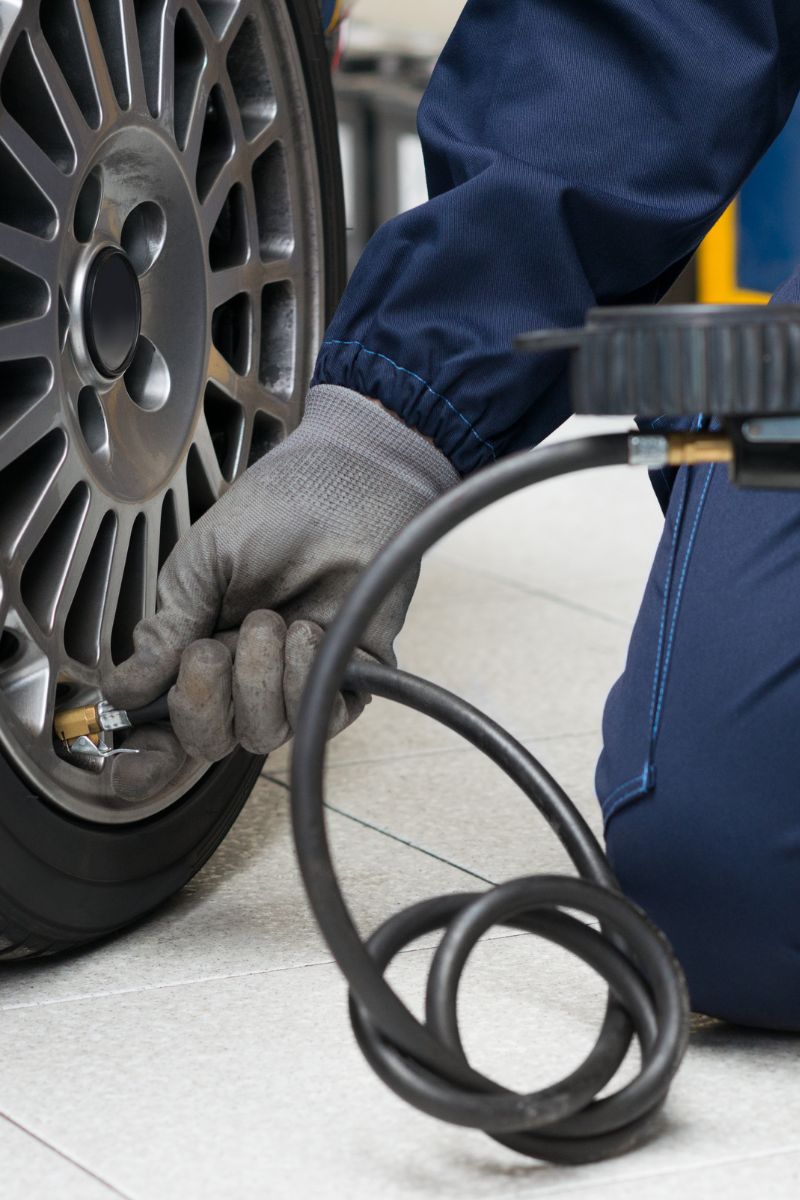
Underinflated tyres create greater rolling resistance, forcing the engine to work harder.
Regularly checking tyre pressures and ensuring they match the manufacturer’s recommendations can improve fuel efficiency, extend tyre life, and enhance vehicle safety.
8. Plan Your Trips Efficiently
Multiple short trips often consume more fuel than one well-planned journey. This is because engines operate less efficiently when cold.
Combining errands and planning routes carefully can reduce unnecessary mileage and fuel usage while saving valuable time.
9. Anticipate Traffic Conditions
Looking further ahead and anticipating potential hazards allows drivers to avoid sudden braking and harsh acceleration.
Professional defensive drivers constantly scan the road ahead and adjust their speed early. This smoother driving style reduces fuel consumption while significantly improving safety.
10. Keep Your Vehicle Properly Maintained
A poorly maintained vehicle will almost always consume more fuel than one that is serviced regularly.
Dirty air filters, worn spark plugs, incorrect wheel alignment, and neglected maintenance schedules can all negatively impact fuel efficiency. Routine servicing helps ensure your vehicle performs at its best.
Fuel-Efficient Driving Is Smart Driving
As fuel prices continue to challenge South African households and businesses, drivers have more control over fuel costs than they may realise. By adopting smoother driving habits, maintaining vehicles properly, and applying defensive driving techniques, significant savings can be achieved over time.
For businesses operating fleets, these savings can quickly add up to thousands of rand annually while also reducing accident risk and vehicle maintenance costs.
At Advanced Driving 4 Africa, we believe that smarter driving is safer driving. Fuel-efficient driving techniques not only help reduce operating costs but also contribute to safer roads and more responsible driving practices for everyone.
Contact Advanced Driving 4 Africa on 083 578 7184 today to improve driver safety and reduce accidents.
Protect your workforce. Protect your business.