
Hiring a driver is not just about filling a position—it is about placing responsibility for your vehicles, your brand, and often the safety of others into someone else’s hands. In high-risk environments like logistics, transport, and fleet operations, a single poor hiring decision can lead to accidents, increased costs, and operational disruption.
That is why a Pre-Employment Driver Assessment is not a luxury—it is a critical risk management tool.
Why Driver Selection Matters More Than Ever
Many organisations rely on basic checks when hiring drivers:
- Valid driver’s licence
- Previous experience
- Reference checks
While these are important, they do not provide a complete picture of a driver’s real ability.
The reality is simple:
A licence does not guarantee competence. Experience does not guarantee safe behaviour.
Without a structured assessment, companies are often making hiring decisions without truly understanding how a candidate performs behind the wheel.

What a Pre-Employment Driver Assessment Evaluates
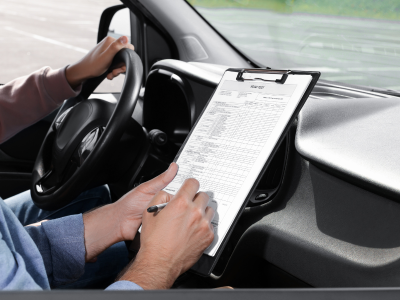
A professional Pre-Employment Driver Assessment goes beyond theory and paperwork. It evaluates a driver in real-world conditions, providing a clear and objective view of their capabilities.
Key areas assessed include:
- Vehicle control and handling
- Observation and hazard awareness
- Following distance and space management
- Compliance with road rules and regulations
- Decision-making under normal driving conditions
- Overall driving attitude and behaviour
This ensures that the driver is not only legally compliant, but also practically competent.
Compliance with South African Road Safety Standards
A critical component of the assessment is determining whether the applicant can operate a vehicle safely and in compliance with national road traffic legislation.
This is particularly important for businesses, as non-compliance can result in:
- Legal liability
- Increased insurance exposure
- Reputational damage
- Financial loss
By assessing drivers before employment begins, companies can ensure alignment with regulatory requirements from day one.

Turning Uncertainty Into Clear, Actionable Insight
One of the biggest advantages of a structured assessment is the clarity it provides.
Instead of relying on assumptions, your management team receives:
- Objective feedback on driver performance
- Identification of strengths and weaknesses
- Clear indication of suitability for the role
- Insight into potential training needs
This allows for informed hiring decisions, reducing uncertainty and improving overall workforce quality.
Reducing Risk Before It Enters Your Business
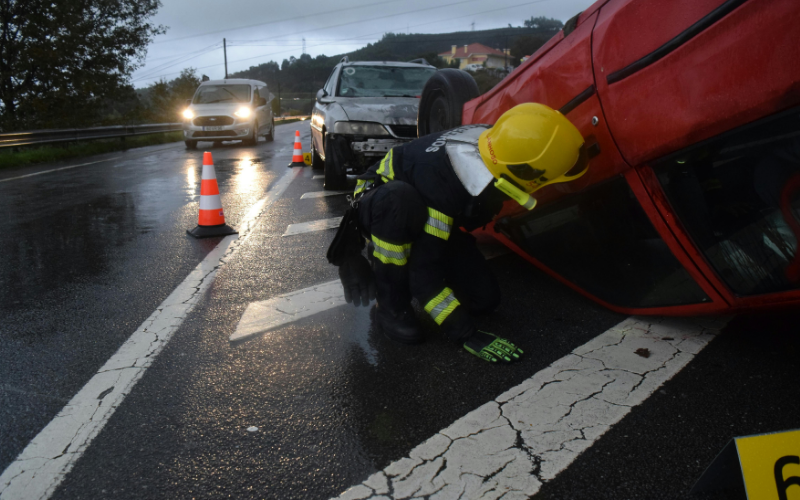
Most fleet incidents are caused by driver behaviour, not mechanical failure or road conditions.
By assessing drivers before they are hired, companies can:
- Prevent high-risk individuals from entering the fleet
- Reduce accident frequency
- Lower maintenance and repair costs
- Minimise insurance claims
- Improve overall operational safety
In essence, the assessment acts as a filter, ensuring only competent drivers are entrusted with company vehicles.
Setting the Foundation for a Strong Safety Culture
A Pre-Employment Driver Assessment does more than reduce risk—it sets the tone for your organisation.
It communicates clearly that:
- Safety is a priority
- Standards are non-negotiable
- Professional driving requires accountability
This creates a culture where drivers understand expectations from the outset, leading to improved behaviour and long-term performance.
Confidence in Every Hiring Decision
Hiring the right driver should never be left to chance.
With a structured Pre-Employment Driver Assessment, your business gains confidence that:
- Drivers are competent
- Risks are reduced before they enter your operation
- Vehicles are placed in capable hands
- Your fleet operates more safely and efficiently
Final Thought
In fleet operations, prevention is always more effective—and more cost-efficient—than correction.
By investing in a professional Pre-Employment Driver Assessment, your company is not just evaluating candidates—you are protecting your people, your assets, and your reputation.
Because the safest fleets are built before the driver is even hired.
Contact Advanced Driving 4 Africa on 083 578 7184 today to improve driver safety and reduce accidents.
Protect your workforce. Protect your business.