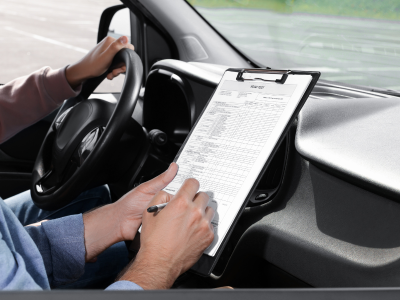
When hiring fleet drivers, most companies ask one simple question:
“Do you have a valid licence?”
If the answer is yes, the assumption is that the driver is competent.
On South African roads, that assumption is expensive — and sometimes fatal.
A driver’s licence proves basic qualification. It does not prove advanced skill, hazard anticipation, load control ability, or defensive driving competence under pressure.
For businesses operating fleet vehicles, trucks, forklifts or agricultural machinery, that gap between licence and real-world competence is where risk lives.
The Reality of Driving in South Africa
Operating a fleet in South Africa is not the same as operating in low-risk driving environments.
Corporate drivers face:
- High accident rates
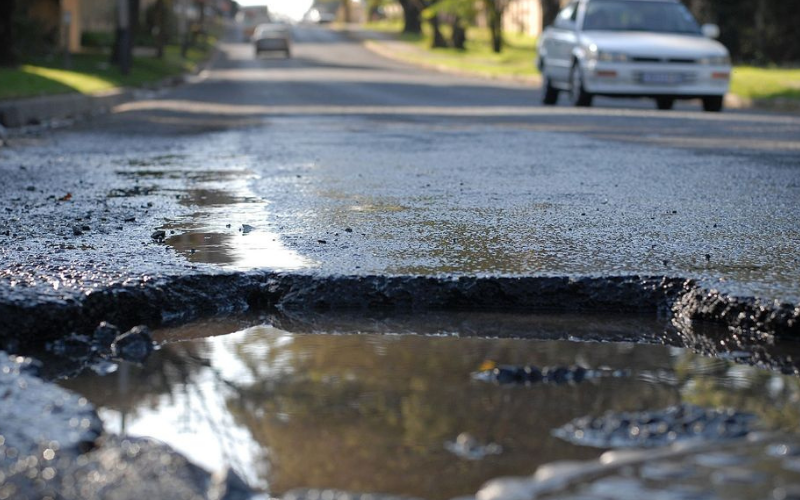
- Pothole-related tyre failures
- Load-shedding traffic disruptions
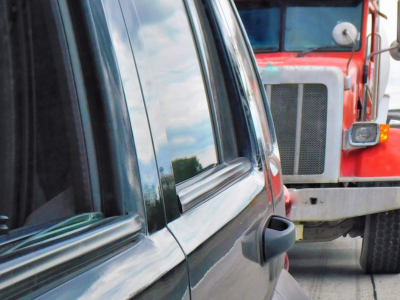
- Aggressive and unpredictable driving behaviour
- Uninsured motorists
- Hijacking and smash-and-grab risks
- Rural hazards like livestock and poor visibility
- Heavy rain reducing braking control
A basic driving test does not prepare drivers for these realities.
Advanced driver training does.
Licence vs Competence: What’s the Difference?

A Licence Proves:
- Basic road rule knowledge
- Ability to operate a vehicle
- Passing a once-off driving test
Conpetence Proves:
- Defensive driving skill
- Hazard anticipation
- Safe following distance control
- Emergency braking ability
- Skid control awareness
- Load stability management
- Fatigue awareness
- Decision-making under pressure
Corporate fleet safety depends on competence — not paperwork.
Professional operators replace tires before control is compromised — not after.
Why Fleet Driver Training Is Critical for Corporate Risk Management
Many South African businesses only invest in advanced driver training after an accident.
By then, the costs have already escalated:
- Vehicle repair expenses
- Increased insurance premiums
- Downtime and missed deliveries
- Injury claims
- Legal liability exposure
- Reputational damage
Advanced driver training is not a cost centre. It is a risk mitigation strategy.
Companies that implement structured fleet driver training programs typically see:
- Reduced accident frequency
- Lower insurance claims
- Improved fuel efficiency
- Better driver accountability
- Stronger compliance documentation

Forklift, Truck and Tractor Training: The Overlooked Risk Area
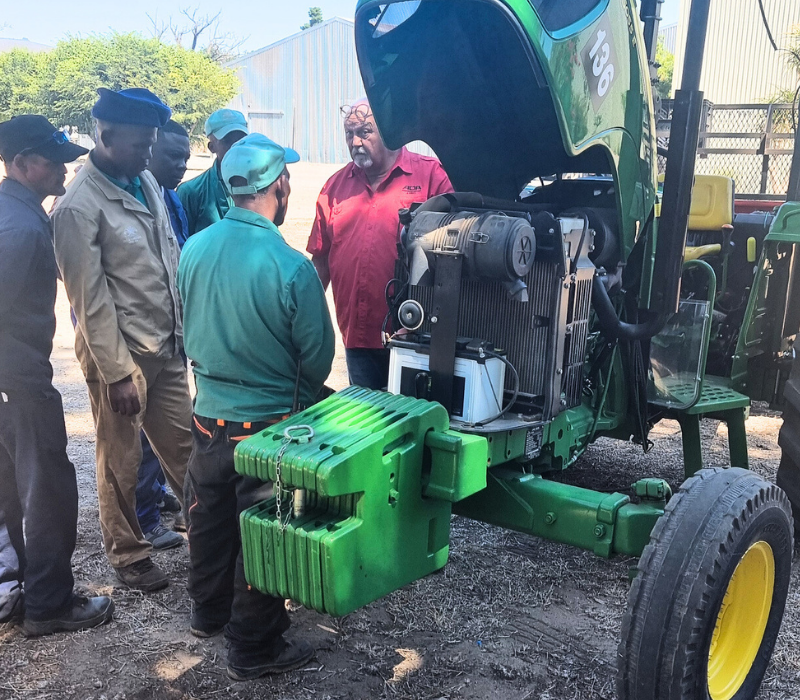
For many corporates, the highest risk vehicles are not passenger cars — they are forklifts, trucks and agricultural machinery.
Forklift Risks Include:
- Tip-overs due to improper load handling
- Pedestrian collisions in warehouses
- Incorrect stacking procedures
- Brake misuse on ramps
Truck and Tractor Risks Include:
- Load shift and rollover
- Jack-knifing
- Poor braking distance estimation
- Blind spot incidents
- Fatigue-related errors
A licence alone does not equip operators with advanced load control and hazard awareness skills.
Specialised advanced forklift and truck driver training directly reduces these operational risks.

The Insurance and Compliance Advantage
Insurance providers increasingly assess fleet risk profiles based on:
- Claims history
- Driver training programs
- Safety documentation
- Ongoing competency assessments
Documented advanced driver training demonstrates proactive risk management.
This can:
Training becomes part of corporate governance — not just HR.
- Strengthen insurance negotiations
- Support OHS compliance
- Protect directors and management from negligence claims
When Should Corporate Drivers Be Reassessed?
Best practice for South African fleet operators includes:
- Advanced training at onboarding
- Refresher defensive driving training every 1–2 years
- Immediate reassessment after an accident
- Specialised training when vehicle type changes (e.g., moving from light vehicles to heavy trucks or forklifts)
Competence is not permanent — it must be maintained.
Prevention Is Cheaper Than Recovery
In high-risk driving environments like South Africa, waiting for an accident before investing in training is reactive management.
Proactive companies understand:
Licence verifies legality.
Competence protects assets, lives and business continuity.
Advanced fleet driver training transforms drivers from vehicle operators into risk-aware professionals.
Final Thought
If your organisation operates company vehicles, trucks, forklifts or tractors, ask yourself:
Are your drivers licensed — or truly competent?
The difference is measurable in insurance claims, downtime, and safety records.
Investing in advanced driver training today is far less expensive than managing the consequences of preventable accidents tomorrow.
Book your advanced driving training today, phone 082 366 4064 or click the button below to send a message:
Protect your workforce. Protect your business.