On the road, everything can change in a second.
A vehicle swerves unexpectedly.
Brake lights flash ahead.
A tyre bursts.
A pedestrian steps into the roadway.
Emergencies don’t schedule appointments.
But here’s the uncomfortable truth:
Most drivers don’t react the way they think they will.
The Human Factor in Road Emergencies
When a threat appears, the body activates a fight-or-flight response:
- Heart Rate Spikes
- Muscles Tense
- Vision Narrows
- Fine Motor Skills Decrease
- Decision-making becomes reactive
Without porper training, this can lead to:
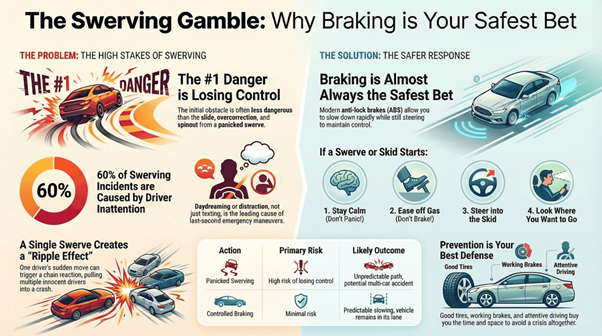
- Over-braking
- Oversteering
- Freezing
- Fixating on the obstacle instead of the escape route
Experience alone does not override biology. Training does.

Why This Matters for Fleet & Heavy Vehicle Operators
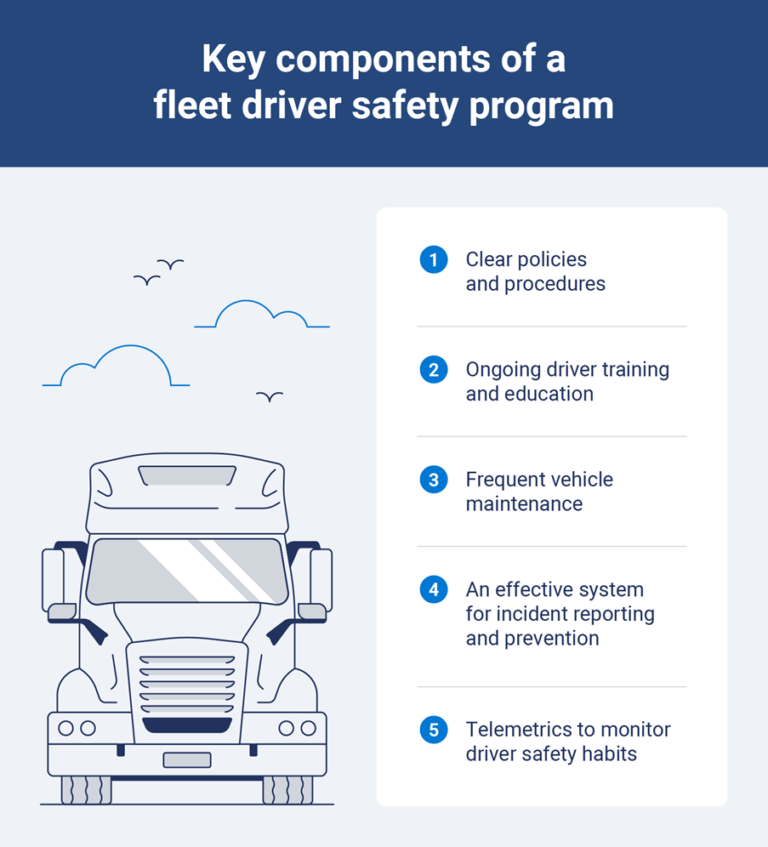
For heavy haul and fleet operations, the margin for error is smaller:
- Longer stopping distances
- Higher centre of gravity
- Increased rollover risk
- Greater financial and reputational impact
A split-second incorrect reaction can result in:
- Serious injury
- Loss of cargo
- Vehicle damage
- Operational downtime
- Legal exposure
In commercial transport, safety is not just compliance – it’s risk management.

The Difference Between Instinct and Preparedness
Untrained drivers react emotionally.
Trained drivers react automatically — and correctly.
Advanced driver development focuses on:
- Situational Awareness
- Hazard Anticipation
- Controlled Emergency Braking
- Evasive Steering Under Load
- Stress Management Under Pressure
When correct responses are practiced repeatedly, they become instinctive.
That’s when panic becomes procedure.
The African Driving Environment Adds Complexity
Across Africa, drivers face additional variables:
- Sudden livestock crossings
- Rural infrastructure challenges
- Unpredictable pedestrian movement
- Extreme weather conditions
- Long-distance fatigue
Advanced driver training must reflect real-world conditions – not textbook scenarios.

The Leadership Question
If you manage drivers, fleets, or transport operations, ask yourself:
- Are your drivers trained for emergencies — or only licensed to drive?
- Do they understand vehicle dynamics under load?
- Have they practiced controlled reactions under stress?
Road accidents may be unpredictable.
Professional reactions should not be.
Investing in Preparedness
At Advanced Driving 4 Africa, we focus on preparing drivers for the unexpected — building capability, confidence, and controlled response under pressure.
Because when seconds matter, preparation is everything.
If you’re serious about reducing risk, protecting assets, and elevating safety standards in your operation — let’s talk.