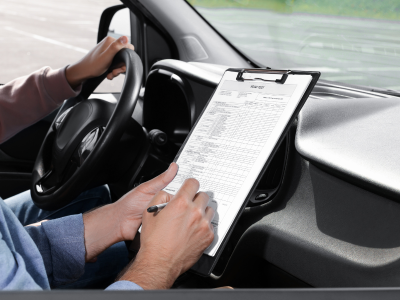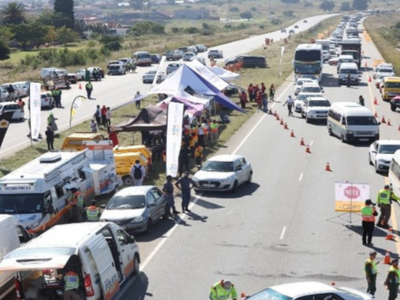

Many organisations invest heavily in fleet safety programmes—policies, compliance training, driver manuals, tracking systems, and periodic workshops. Yet despite these efforts, accident rates often remain stubbornly unchanged. Vehicles are still damaged, fuel consumption stays high, and incident reports continue to land on managers’ desks.
The problem is not a lack of effort. It is that most fleet safety programmes are built around compliance, not behaviour.
The Compliance Trap
Most traditional programmes focus on rules:
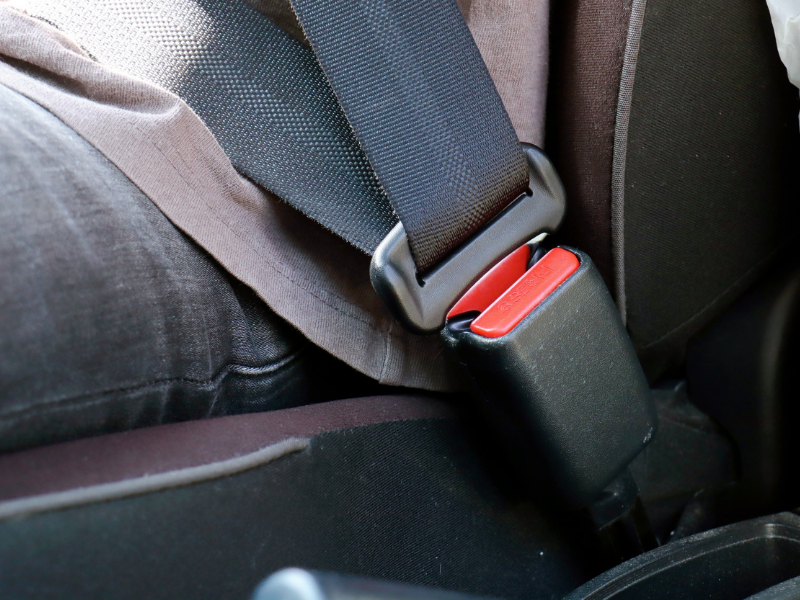
- Wear your seatbelt
- Don’t speed
- Follow company driving policies
- Complete annual refresher training
While these are necessary, they don’t address what actually causes incidents on the road: human behaviour under pressure.
Drivers don’t crash because they don’t know the rules. They crash because, in real-world conditions, those rules are overridden by urgency, habit, fatigue, distraction, or overconfidence.
A policy cannot compete with a split-second decision in traffic.
The Illusion of “Training Completed”
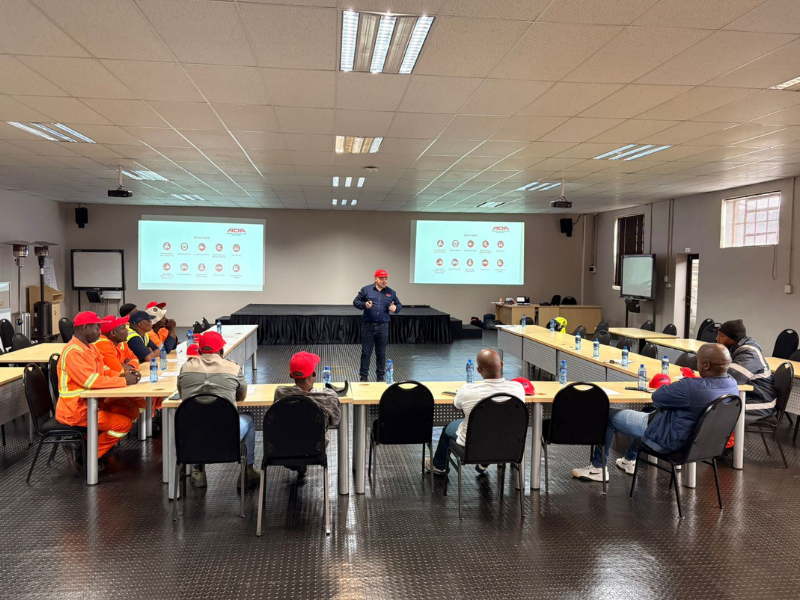
One of the biggest weaknesses in fleet safety is the assumption that once training is completed, the problem is solved.
In reality, most training is:
- Theoretical rather than practical
- Delivered in low-pressure environments
- Not reinforced over time
- Detached from real driving conditions
Drivers may pass a test or attend a workshop, but nothing changes when they return to congested roads, tight delivery schedules, or unpredictable traffic environments.
Without reinforcement, behaviour reverts to habit.
What Actually Causes Fleet Incidents
Across most professional driving environments, incidents tend to come from a few consistent behaviours:
- Following too closely in traffic
- Poor anticipation of other road users
- Aggressive or rushed decision-making
- Fatigue and reduced concentration
- Overconfidence in driving ability
- Failure to adjust to changing road conditions
These are not knowledge gaps. They are behavioural patterns formed over years of driving experience.
And that is why they are so difficult to change with standard training alone.

What Actually Works: Behaviour-Based Driver Development
Effective fleet safety programmes focus on one core objective: changing how drivers think, not just what they know.
This requires a shift from compliance training to behaviour-based development, including:
- Real-World Scenario Training
Drivers must be exposed to realistic conditions—traffic pressure, hazard anticipation, emergency decision-making, and vehicle control in dynamic environments.
- Repetition and Reinforcement
Behaviour does not change in a single session. Ongoing coaching and periodic refreshers are essential to embed new habits.
- Mindset and Awareness Training
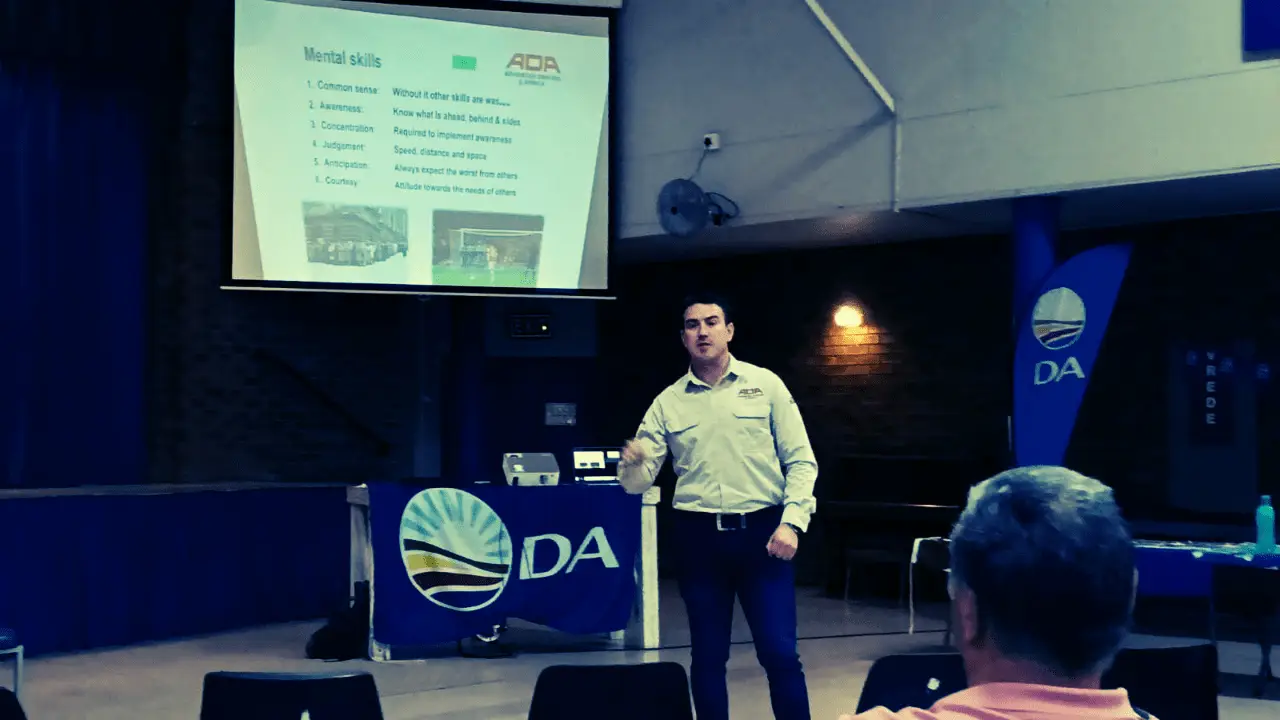
Professional driving is as much psychological as it is technical. Awareness, patience, emotional control, and situational reading are critical skills.
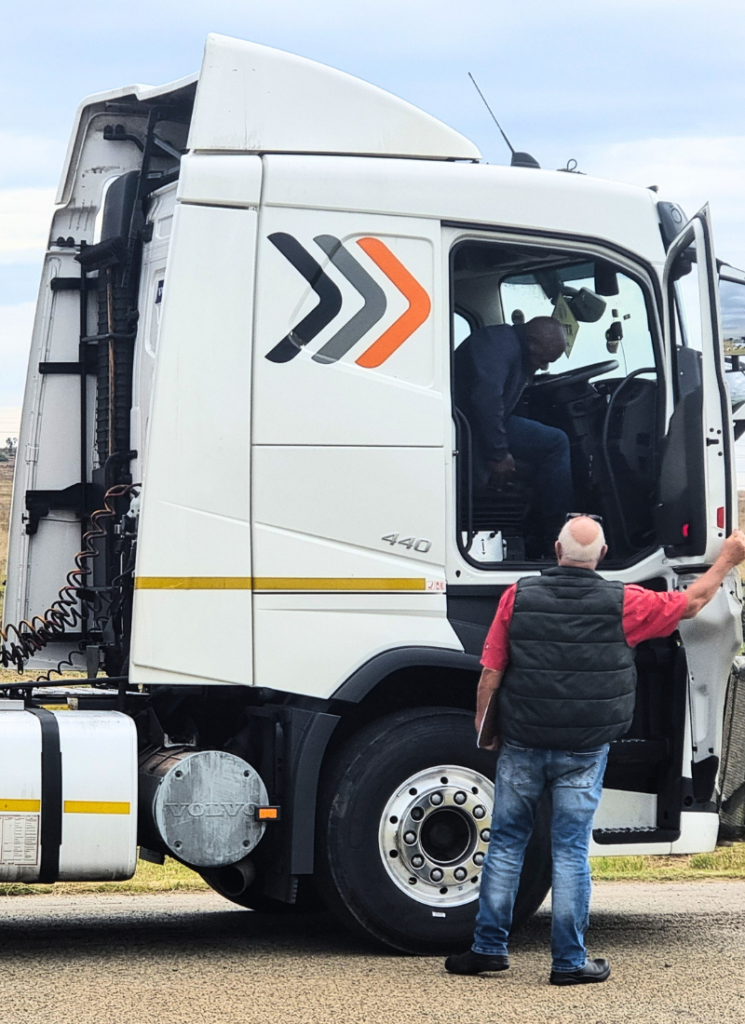
- Accountability Through Observation
Drivers improve faster when performance is observed, measured, and discussed in practical terms—not just recorded as compliance.

The Business Impact of Getting It Right
When fleet safety is approached correctly, the benefits extend far beyond fewer accidents:
- Reduced insurance claims and excess costs
- Lower fuel consumption through smoother driving habits
- Less vehicle wear and maintenance downtime
- Improved delivery reliability and customer satisfaction
- Stronger corporate reputation and reduced liability exposure
In short, safer driving is not just a safety outcome—it is a business performance advantage.
Final Thought
Most fleet safety programmes fail because they try to control behaviour with paperwork and policy.
But on the road, behaviour is shaped by pressure, habit, and decision-making in real time.
The organisations that see real results are those that invest in developing aware, disciplined, and adaptive drivers—not just compliant ones.
That is where meaningful risk reduction begins.
Contact Advanced Driving 4 Africa on 083 578 7184 today to improve driver safety and reduce accidents.
Protect your workforce. Protect your business.