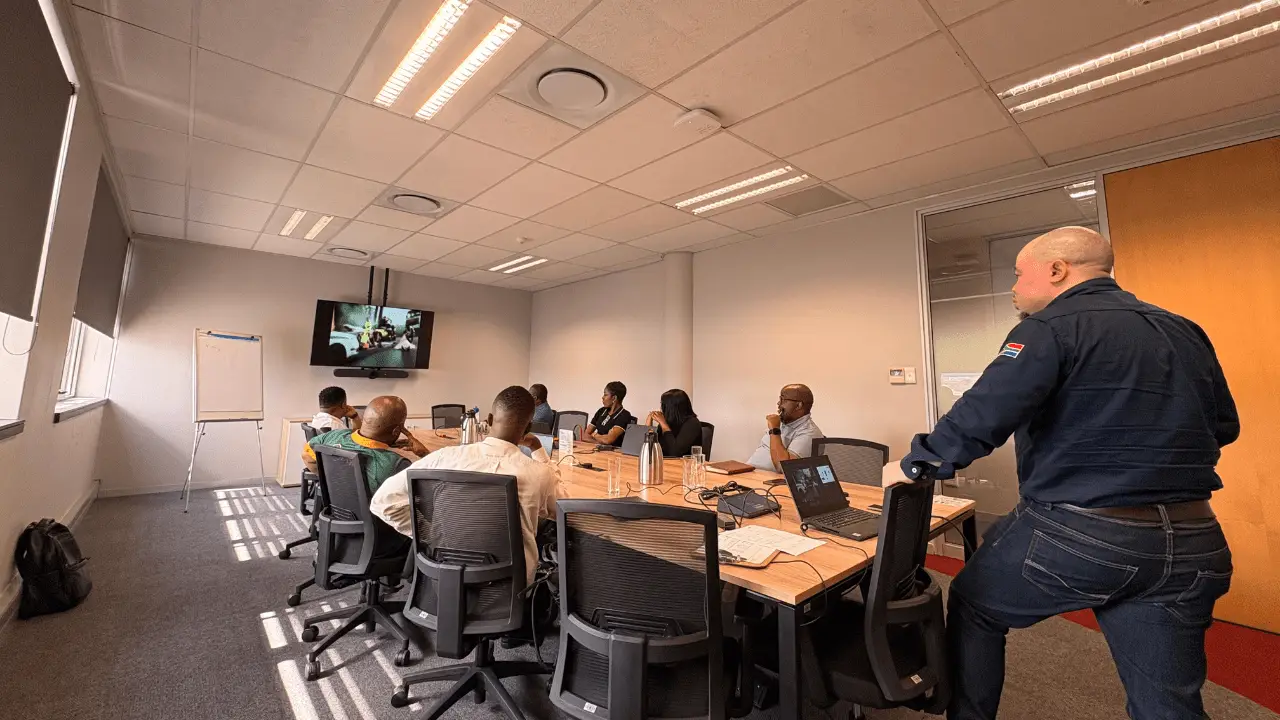

Why Organisations Must Take Responsibility for Building a Culture of Safe Driving
When a vehicle collision occurs, the immediate focus often falls on the driver. Questions are asked about their speed, attentiveness or decision-making. While driver behaviour is certainly a contributing factor in many incidents, focusing solely on the individual overlooks a much larger issue.
Road safety is not just a driver problem—it is a leadership issue.
For organisations that rely on employees to drive as part of their work, whether operating commercial fleets, company vehicles or delivery services, road safety begins long before a driver turns the ignition key. It starts with the decisions made by business leaders, managers and supervisors.
Leadership Shapes Safety Culture
Every organisation has a culture, whether intentional or not. Employees take their cues from leadership, observing what behaviours are encouraged, rewarded or overlooked.
If productivity is consistently prioritised over safety, drivers may feel pressured to speed, skip vehicle inspections or continue driving when fatigued. Conversely, organisations that actively promote safe driving create an environment where employees understand that arriving safely is more important than arriving quickly.
Leaders set expectations. They determine policies, allocate resources and influence behaviours throughout the organisation.
Driver Training Is Only One Piece of the Puzzle
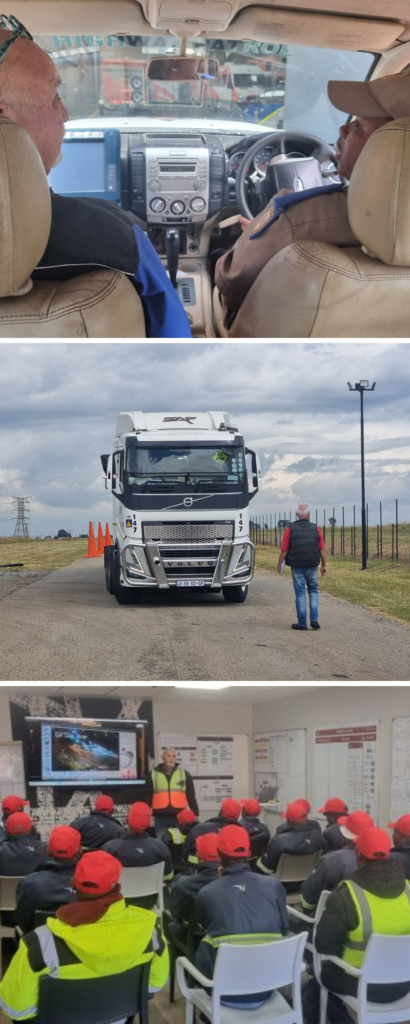
Professional driver training is an essential investment, but it cannot stand alone.
Even the most highly skilled driver can be placed at unnecessary risk if they are expected to meet unrealistic delivery schedules, drive poorly maintained vehicles or work excessive hours without adequate rest.
True road safety requires a comprehensive approach that combines:
- Ongoing driver training and assessments
- Preventative vehicle maintenance
- Clear driving policies and procedures
- Fatigue management programmes
- Regular performance monitoring
- Leadership accountability
When these elements work together, organisations significantly reduce their exposure to road-related risks.
Fleet Safety Starts in the Boardroom
Many businesses view vehicle collisions as an operational issue. In reality, they are a business risk.
A single road accident can result in vehicle repairs, increased insurance premiums, lost productivity, legal liability, reputational damage and, most importantly, injury or loss of life.
For leadership teams, road safety should form part of the organisation’s overall risk management strategy, alongside workplace safety, financial governance and compliance.
Businesses that invest proactively in road safety often experience lower operating costs, improved employee wellbeing and greater customer confidence.
Empower Drivers to Make Safe Decisions
Drivers should never feel that they have to choose between meeting business targets and staying safe.
Effective leaders empower employees to make responsible decisions without fear of criticism or disciplinary action. This includes encouraging drivers to:
- Delay a journey during dangerous weather conditions.
- Report vehicle defects immediately.
- Take scheduled rest breaks.
- Refuse to operate unsafe vehicles.
- Raise safety concerns openly.
When drivers know leadership genuinely supports these decisions, they are more likely to adopt safe driving behaviours consistently.
Measure What Matters
Modern fleet management technology allows organisations to monitor driver behaviour, fuel consumption, speeding, harsh braking and vehicle utilisation.
Rather than using this data to punish employees, forward-thinking organisations use it as a coaching tool. Regular feedback, refresher training and positive recognition help reinforce safe driving habits and encourage continuous improvement.
Road safety should be measured just like any other key business performance indicator.
Safety Is a Leadership Commitment
Creating safer roads is not achieved through policies alone. It requires visible commitment from leaders at every level of the organisation.
When executives, managers and supervisors consistently demonstrate that safety is a core organisational value, employees are far more likely to follow suit.
Leadership commitment builds trust, improves morale and creates a workplace where people understand that their wellbeing matters.
Building Safer Roads Together
Road safety is everyone’s responsibility, but leadership carries the greatest influence. Organisations that invest in driver development, establish realistic expectations and foster a strong safety culture not only protect their employees but also strengthen their business for the future.
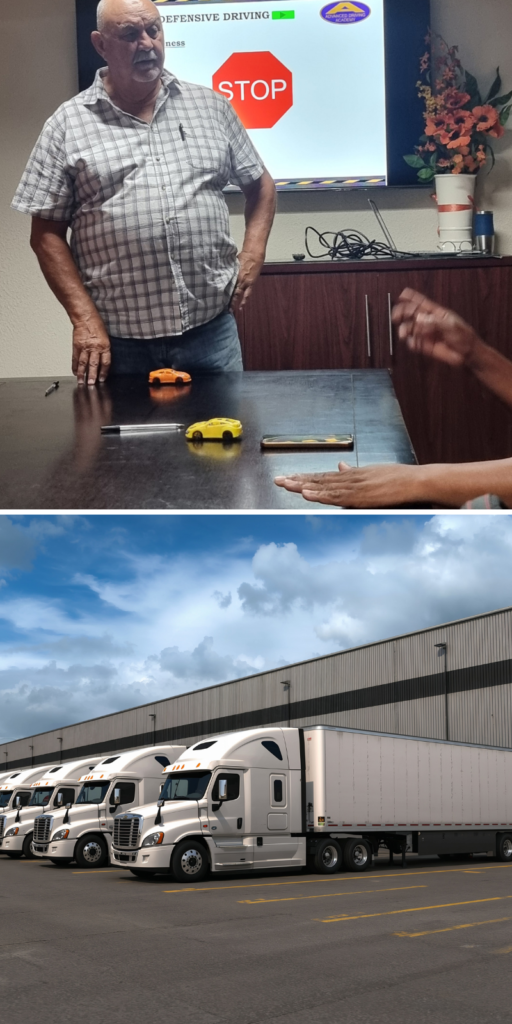
At Advanced Driving 4 Africa, we partner with organisations to build safer, more confident drivers through professional training, defensive driving programmes and practical driver assessments. Because lasting road safety isn’t achieved by changing one driver—it begins with leaders who are committed to creating a culture where safety comes first.
Contact Advanced Driving 4 Africa on 083 578 7184 today to improve driver safety and reduce accidents.
Protect your workforce. Protect your business.