
Why Technology Can Assist Drivers, But Can’t Replace Human Skill
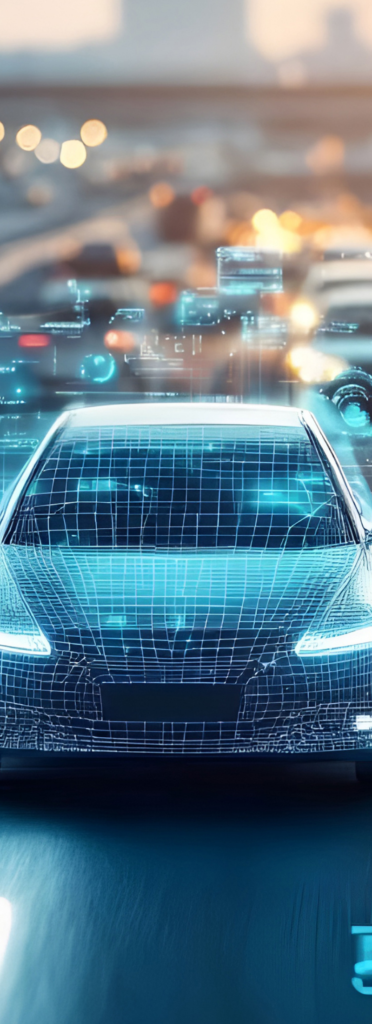
Modern vehicles are becoming smarter every year. From collision warning systems and lane departure alerts to adaptive cruise control, telematics and driver monitoring systems, technology is changing the way we drive.
For businesses managing fleets, these technologies can provide valuable information about driver behaviour and help reduce certain risks.
But with all these advancements, an important question needs to be asked:
Can technology replace driver training?
The short answer is no.
Technology can support safer driving, but it cannot replace the skills, judgement and decision-making of a properly trained driver.
Technology Is Changing the Driving Environment
Today’s vehicles can actively assist drivers in ways that were unimaginable a few decades ago. Advanced Driver Assistance Systems (ADAS) can warn drivers about potential collisions, monitor blind spots, assist with lane positioning and, in some situations, automatically apply the brakes.
Fleet telematics can also provide businesses with detailed information about how vehicles are being driven, including speeding, harsh acceleration, harsh braking and excessive idling.
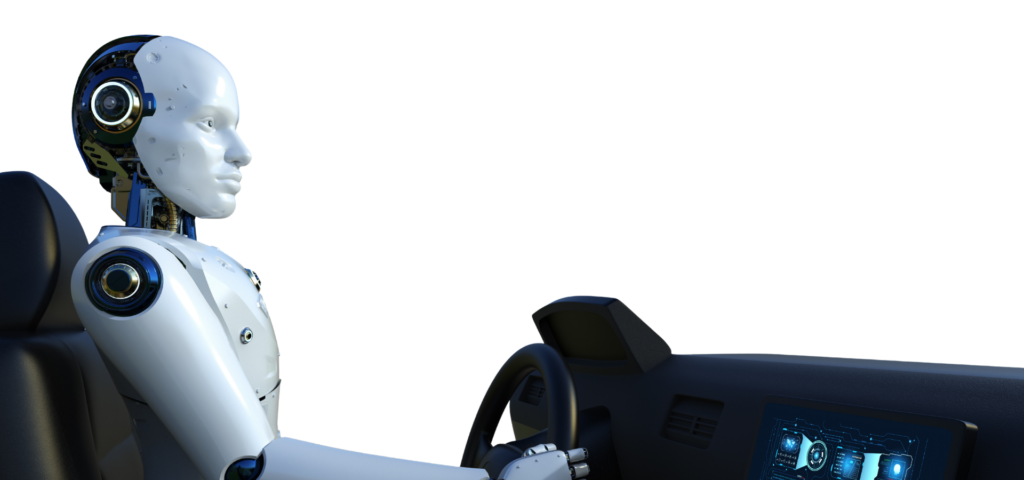
These systems are incredibly useful—but they are designed to assist the driver, not replace the driver.
Technology Doesn't Understand Every Situation
A vehicle’s safety systems operate within specific parameters. Sensors can become obstructed, road markings can be unclear, weather can affect visibility, and unusual road conditions may not be interpreted correctly by a vehicle’s systems.
South African roads can present particularly varied challenges, from busy urban traffic and poorly marked roads to gravel roads, pedestrians, animals and unpredictable road users.
A driver still needs to recognise what is happening, assess the situation and make an appropriate decision.
This is where driver training becomes essential.
Good Drivers Don't Just React—They Anticipate
One of the most important principles of advanced and defensive driving is hazard anticipation.
A trained driver learns to look beyond the immediate situation and identify potential risks before they become emergencies.
For example, an experienced driver may notice a pedestrian standing close to the road, a vehicle approaching an intersection too quickly, or a child playing near the roadside. The driver can then adjust their speed and position before a dangerous situation develops.
Technology may eventually provide warnings in some of these situations, but trained drivers develop the ability to continuously assess their surroundings and anticipate what might happen next.
Driver Training Teaches Decision-Making
Driving is not simply about controlling a vehicle.
It involves constant decisions:
- How fast should I be travelling?
- Is this following distance sufficient?
- Should I overtake?
- What is the safest response to this hazard?
- Is it safe to continue driving in these conditions?
These decisions require judgement.
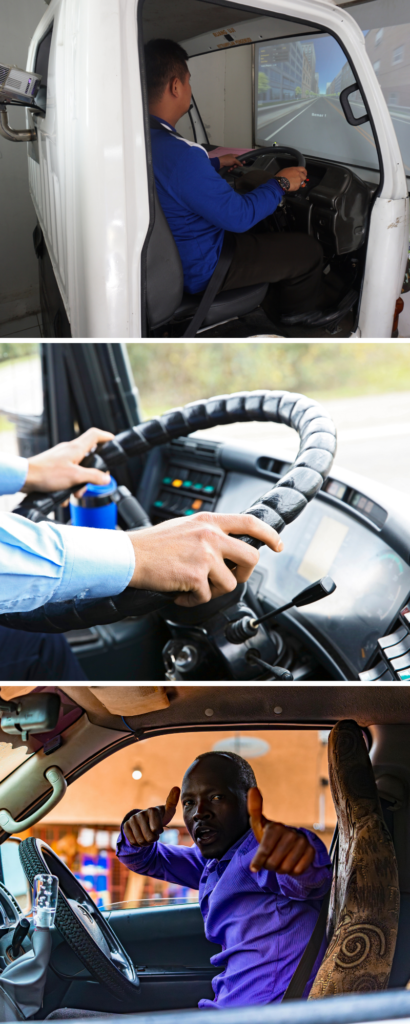
Driver training helps develop that judgement by teaching drivers how to assess risk, manage hazards, maintain vehicle control and respond appropriately under pressure.
Technology can provide assistance, but it cannot guarantee that a driver will make the right decision.
Telematics Should Be Used for Coaching
For fleet operators, technology can be particularly valuable when combined with professional driver training.
Telematics data can identify patterns of risky behaviour. A driver who frequently brakes harshly, exceeds speed limits or accelerates aggressively may benefit from targeted coaching or additional training.
Instead of simply using technology to monitor and discipline drivers, businesses can use it to identify where training can make the greatest difference.
This creates a powerful combination:
Technology measures behaviour. Training changes behaviour.
Technology Works Best With Skilled Drivers
The safest approach is not choosing between technology and driver training. It is using both.
Technology can provide an additional layer of protection, while driver training gives people the knowledge and skills needed to respond when technology cannot.
For fleet operators, this combination can help reduce accidents, improve fuel efficiency, reduce vehicle wear and tear and create a stronger culture of road safety.
The Driver Still Matters
As vehicles become increasingly sophisticated, it may be tempting to believe that technology will eventually eliminate the need for advanced driver training.
But technology cannot remove human responsibility from the driving equation.
A safety system can warn you.
A sensor can detect a hazard.
A vehicle can assist with braking.
But the driver still has to understand the risk and make the right decision.
At Advanced Driving 4 Africa, we believe technology should complement driver training—not replace it. By combining modern vehicle technology with professional driver development, defensive driving skills and practical assessments, organisations can build safer, more capable drivers who are prepared for both today’s roads and tomorrow’s vehicles.
Because the smartest safety system in any vehicle is still a well-trained driver.
Contact Advanced Driving 4 Africa on 083 578 7184 today to improve driver safety and reduce accidents.
Protect your workforce. Protect your business.