Driving Into Summer: Keeping Families Safe on South Africa’s Roads

Share

As winter fades and South Africa heads into summer, we welcome longer days, warmer weather, and family road trips. But with the change in seasons comes new challenges on the road. At ADA, our North Star is clear: every driver deserves to return home safely.

Whether you’re a parent driving your children to school, planning a family holiday, or managing a fleet of vehicles, these summer hazards should be top of mind.

1. Sudden Summer Storms

South Africa’s summer thunderstorms arrive quickly and can reduce visibility within minutes. Heavy rain increases the risk of hydroplaning — where tyres lose grip on wet roads.
Family tip: Slow down, increase following distance, and make sure your wipers are in good condition.

2. Glare and Visibility

The summer sun is stronger, often blinding drivers during morning and afternoon commutes.
Family tip: Keep a good pair of sunglasses in the car and clean your windscreen regularly (inside and out) to reduce glare.

3. Vehicle Readiness

Hot weather puts extra pressure on vehicles. Tyres, brakes, and cooling systems are most at risk.
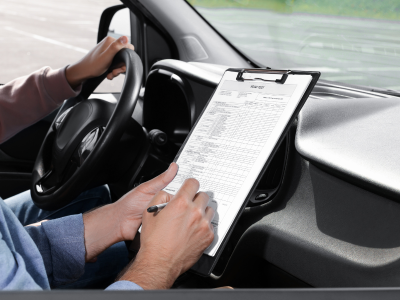
Family tip: Before heading out for a holiday, do a quick safety check. Tyres should have enough tread, brakes must respond quickly, and coolant levels should be topped up.

4. Busy Roads & Holiday Traffic

The festive season means more vehicles, longer journeys, and tired drivers.
Family tip: Plan your trips to avoid peak times, share driving responsibilities, and stop every two hours for a rest.

5. Heavy Commercial Vehicles

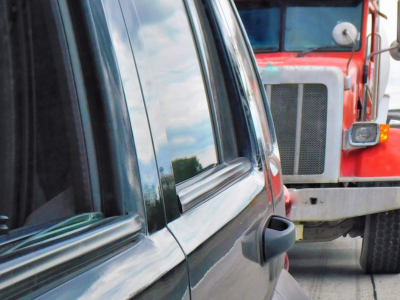
Trucks and buses are more vulnerable in wet weather due to longer stopping distances.
Family tip: Teach your children never to play close to large vehicles, and as a driver, give them extra space on the road.

Why It Matters

At ADA, we believe safety is not just a skill — it’s a responsibility. Every time you drive, you carry the most precious cargo: your family. By staying alert to seasonal hazards, you honour that responsibility and ensure that presence, connection, and clarity guide you home.

This summer, take the step beyond awareness. Join ADA’s defensive driving courses designed to prepare families and professional drivers for real-world hazards. Together, let’s build safer roads for everyone.


Related Posts

Road Safety Is Not a Driver Problem – It’s a Leadership Issue

With petrol and diesel prices continuing to place pressure on South African motorists and businesses alike, fuel efficiency has become more important than ever. Whether you’re commuting to work, managing a fleet of vehicles, or driving long distances for business, every litre saved translates directly into money saved.

Read More »

How to Reduce Fuel Consumption While Driving

With petrol and diesel prices continuing to place pressure on South African motorists and businesses alike, fuel efficiency has become more important than ever. Whether you’re commuting to work, managing a fleet of vehicles, or driving long distances for business, every litre saved translates directly into money saved.

Read More »

Pre-Employment Driver Assessments: The First Step to a Safer, More Reliable Fleet

Hiring a driver is not just about filling a position—it is about placing responsibility for your vehicles, your brand, and often the safety of others into someone else’s hands. In high-risk environments like logistics, transport, and fleet operations, a single poor hiring decision can lead to accidents, increased costs, and operational disruption.
That is why a Pre-Employment Driver Assessment is not a luxury—it is a critical risk management tool.

Read More »

Why Poor Following Distance by Truck Drivers Is a Major Road Safety Risk in South Africa

One of the most common and dangerous driving behaviours on South African roads is poor following distance, particularly among truck and heavy vehicle drivers. Whether on national highways, regional routes, or busy urban roads in towns and cities, tailgating by trucks is a widespread issue—and a serious safety risk.

While professional drivers are trained to operate heavy vehicles safely, real-world pressures often lead to habits that reduce safe stopping distance.

Read More »

Why Most Fleet Safety Programs Fail (And What Actually Works)

Many organisations invest heavily in fleet safety programmes—policies, compliance training, driver manuals, tracking systems, and periodic workshops. Yet despite these efforts, accident rates often remain stubbornly unchanged. Vehicles are still damaged, fuel consumption stays high, and incident reports continue to land on managers’ desks.

The problem is not a lack of effort. It is that most fleet safety programmes are built around compliance, not behaviour.

Read More »

The True Cost of a Crash in SA – and Why Driver Performance is your Biggest Risk

In South Africa, road crashes are often viewed as an unfortunate part of doing business in logistics and fleet operations.
But here’s the reality most companies underestimate:
👉 A single fatal crash can cost your business and the economy over R5–8 million.
👉 Even a “minor” crash averages over R150,000 per incident.
And yet — many fleets are still focused only on vehicle condition, compliance, and reactive training.

Read More »
Scroll to Top