
Easter in South Africa is more than just a holiday—it’s one of the busiest travel periods of the year. With families heading to coastal destinations, religious gatherings, and long-distance travel across provinces, traffic volumes surge dramatically. For fleet operators, professional drivers, and everyday motorists, this period demands heightened awareness, planning, and discipline.
At Advanced Driving 4 Africa (ADA), we believe preparation is the difference between a safe journey and a tragic statistic.
Increased Traffic Volumes & Congestion
During Easter, major routes such as the N1, N3, N4, and N2 experience extreme congestion, especially Thursday afternoon (start of long weekend), Friday morning (peak departures) and Monday afternoon (return traffic).
What to expect:
- Long queues at toll gates
- Reduced average speeds
- Increased driver frustration and impatience
- Higher likelihood of risky overtaking
Driver Insight: Congestion increases cognitive load. Fatigue and poor decision-making follow quickly when drivers are under pressure.


Surge in Heavy Vehicle Movement
Freight movement does not stop—especially before and after the holiday period. Expect:
- High volumes of heavy trucks
- Speed differentials between trucks and passenger vehicles
- Increased overtaking manoeuvres
Risk factor: Many accidents occur when light vehicles misjudge the speed and space required to pass trucks.
👉 ADA Tip: Never “race” a truck. Respect their braking distance and blind spots.
Increased Risk of Driver Fatigue
Long-distance trips mean drivers often:
- Travel late at night or early morning
- Skip rest breaks
- Push beyond safe limits to reach destinations
👉 Professional Standard: A well-rested driver is a safe driver. No schedule is worth a life.
Warning signs:
- Microsleep episodes
- Lane drifting
- Delayed reaction times

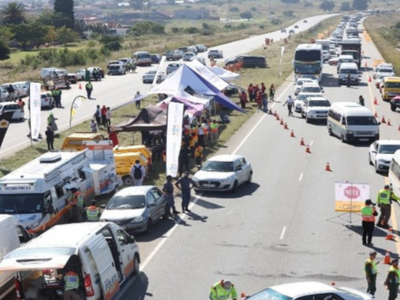
Roadworks, Law Enforcement & Roadblocks
Authorities increase visibility during Easter:
- Frequent roadblocks and vehicle checks
- Speed enforcement zones
- Alcohol testing
- Temporary roadworks or lane closures
What this means:
- Expect delays
- Zero tolerance for reckless driving
- Increased compliance checks on vehicles and drivers
👉 Fleet Note: Ensure all documentation, vehicle condition, and driver compliance are 100% in order.


Alcohol-Related Incidents
Unfortunately, Easter also sees:
- Increased social gatherings
- Higher incidence of drunk driving
- Night-time crashes
👉 Zero Compromise Rule: If you drink, do not drive. No exceptions.
Human Factors: The Real Risk on the Road
At ADA, we always emphasize:
“The greatest risk on the road is not the vehicle—it’s the human brain controlling it.”
During peak travel periods:
- Drivers become impatient
- Risk-taking behaviour increases
- Emotional decisions override logic
- Fatigue reduces cognitive performance
This is exactly why cognitive driver training and assessment (like LAB testing) is critical for fleet safety.
ADA’s Easter Road Safety Checklist
Before hitting the road, ensure:
- Vehicle roadworthy (tyres, brakes, lights)
- Driver well-rested and hydrated
- Route planned (including rest stops)
- Sufficient following distance maintained
- No distractions (phones, fatigue, stress)
- Speed adjusted to conditions—not just limits
Final Thought
Easter should be a time of rest, family, and reflection—not tragedy.
Every decision you make behind the wheel matters.
Slow down. Stay alert. Think ahead.
“Arriving safely is the only success that counts on the road.”
Contact Advanced Driving 4 Africa on 083 578 7184 today to improve driver safety and reduce accidents.
Protect your workforce. Protect your business.